
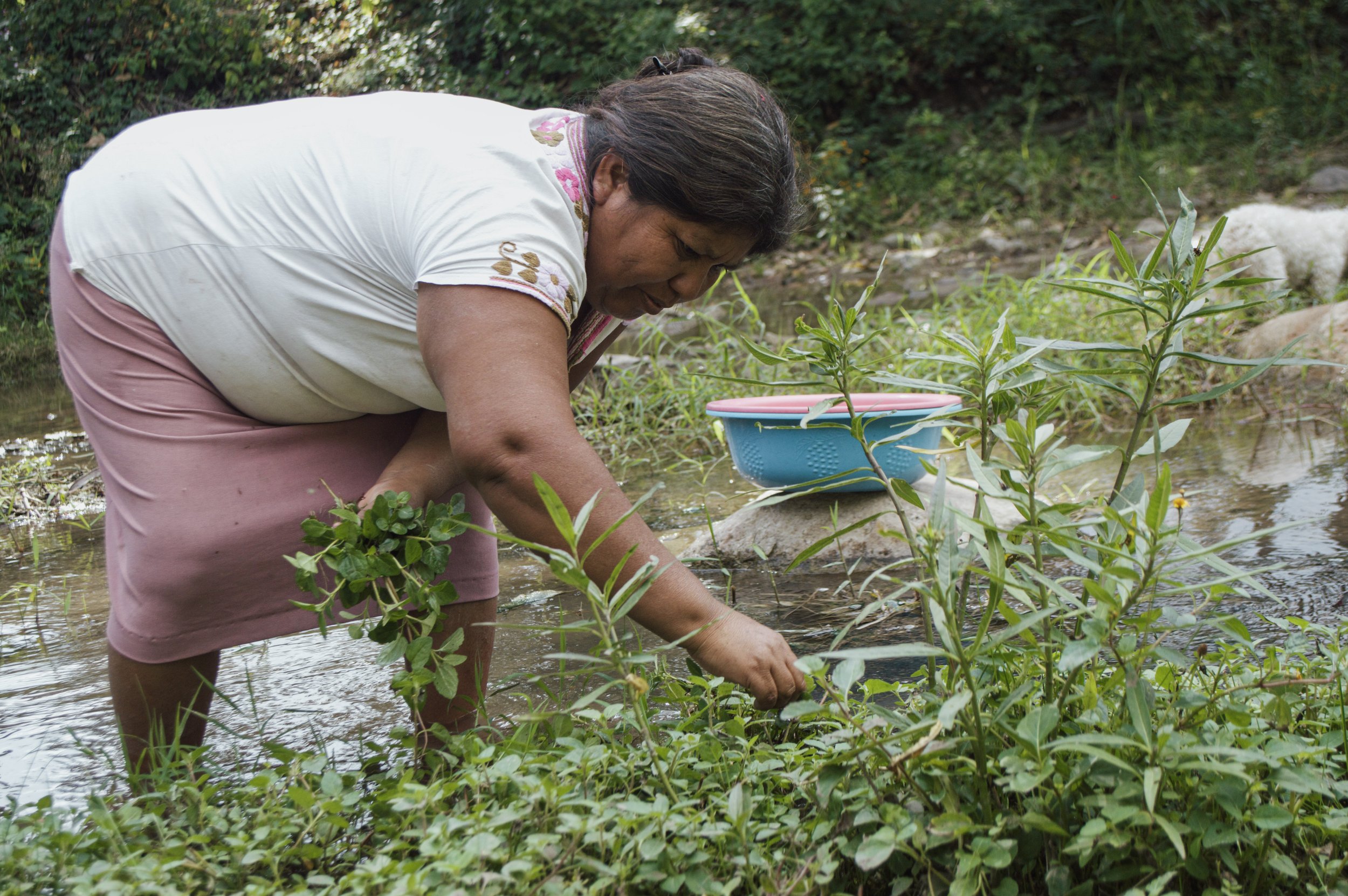
Aída’s Peppery Watercress
and Nopales Salad
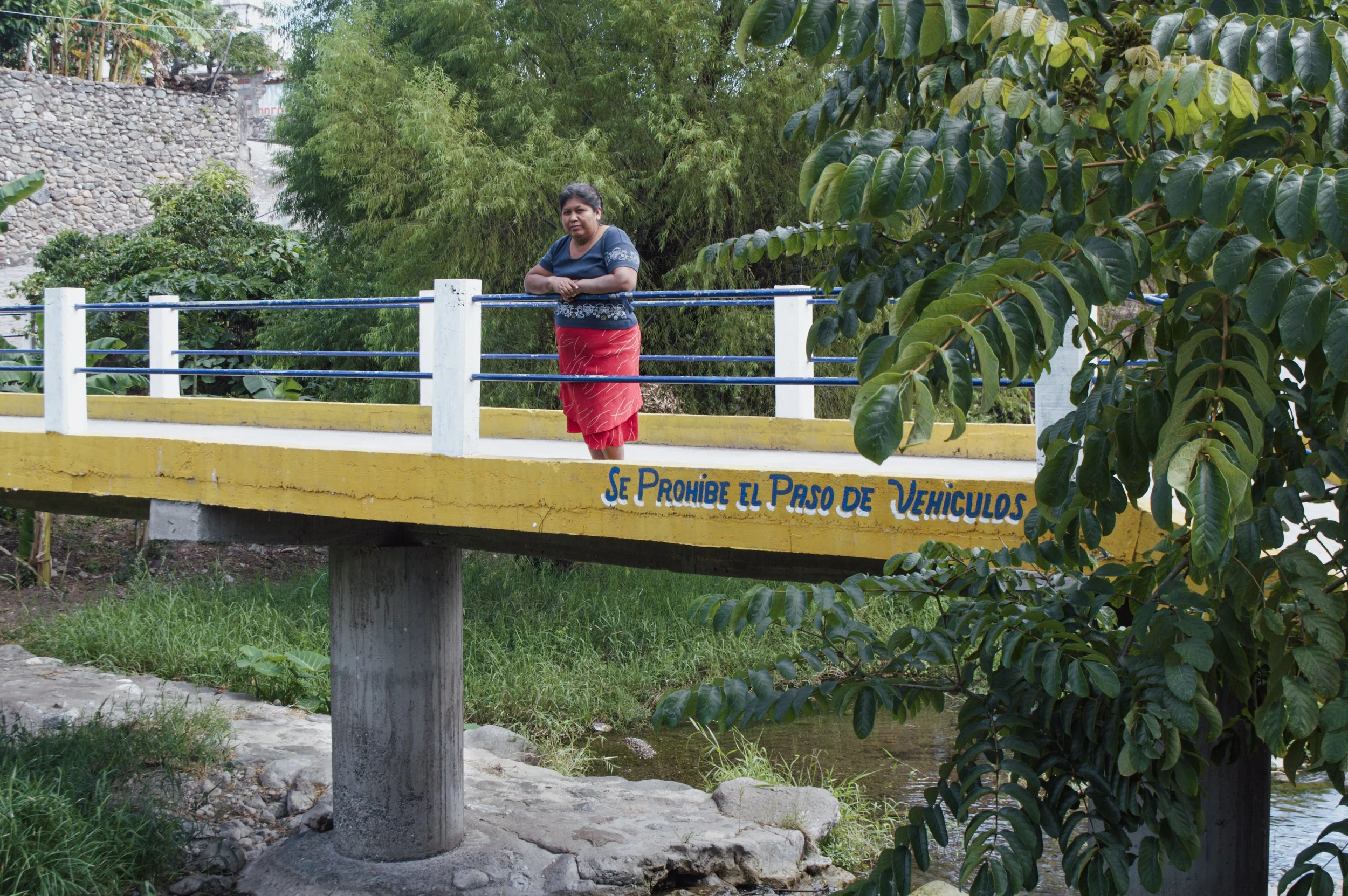
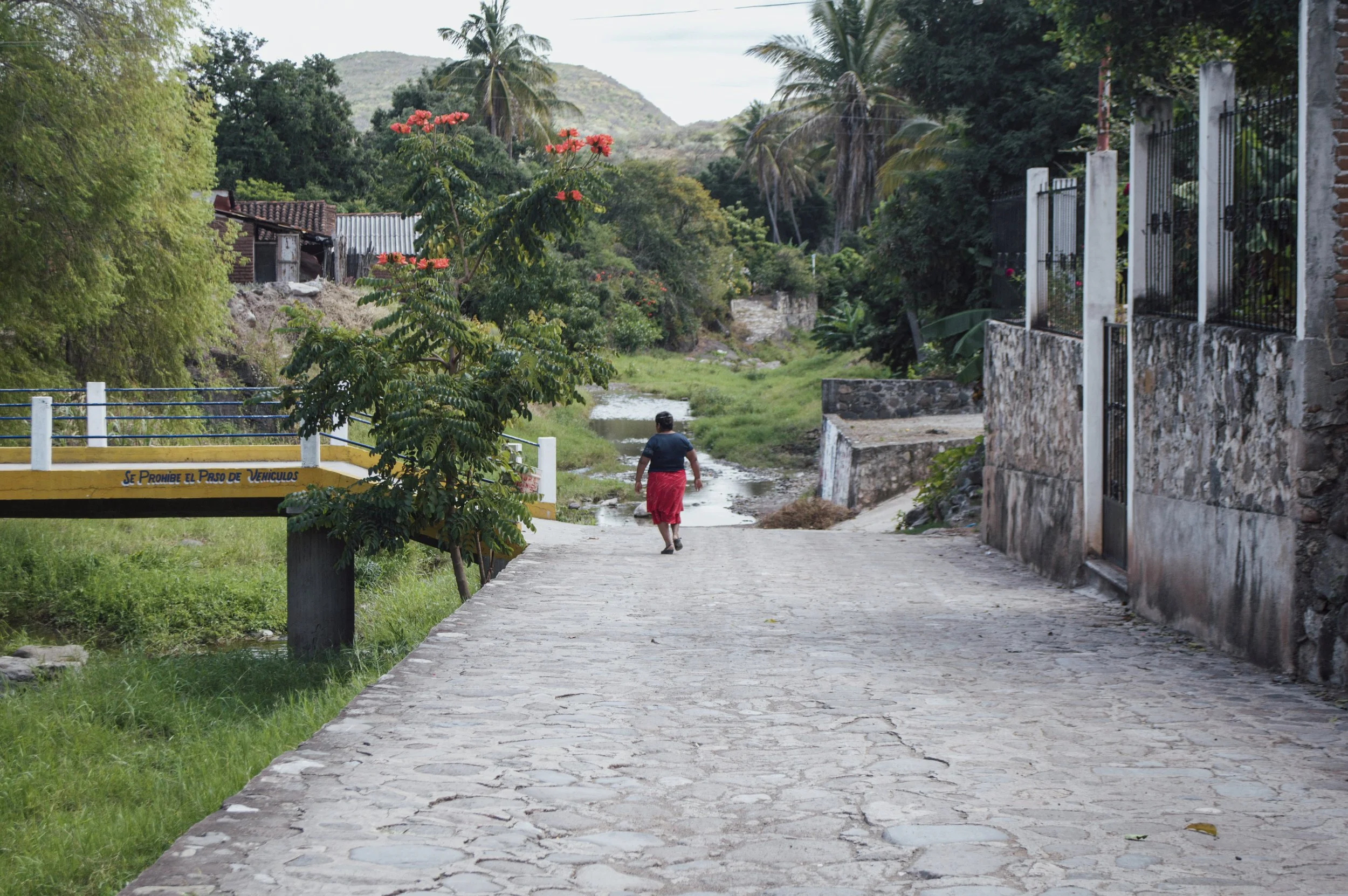
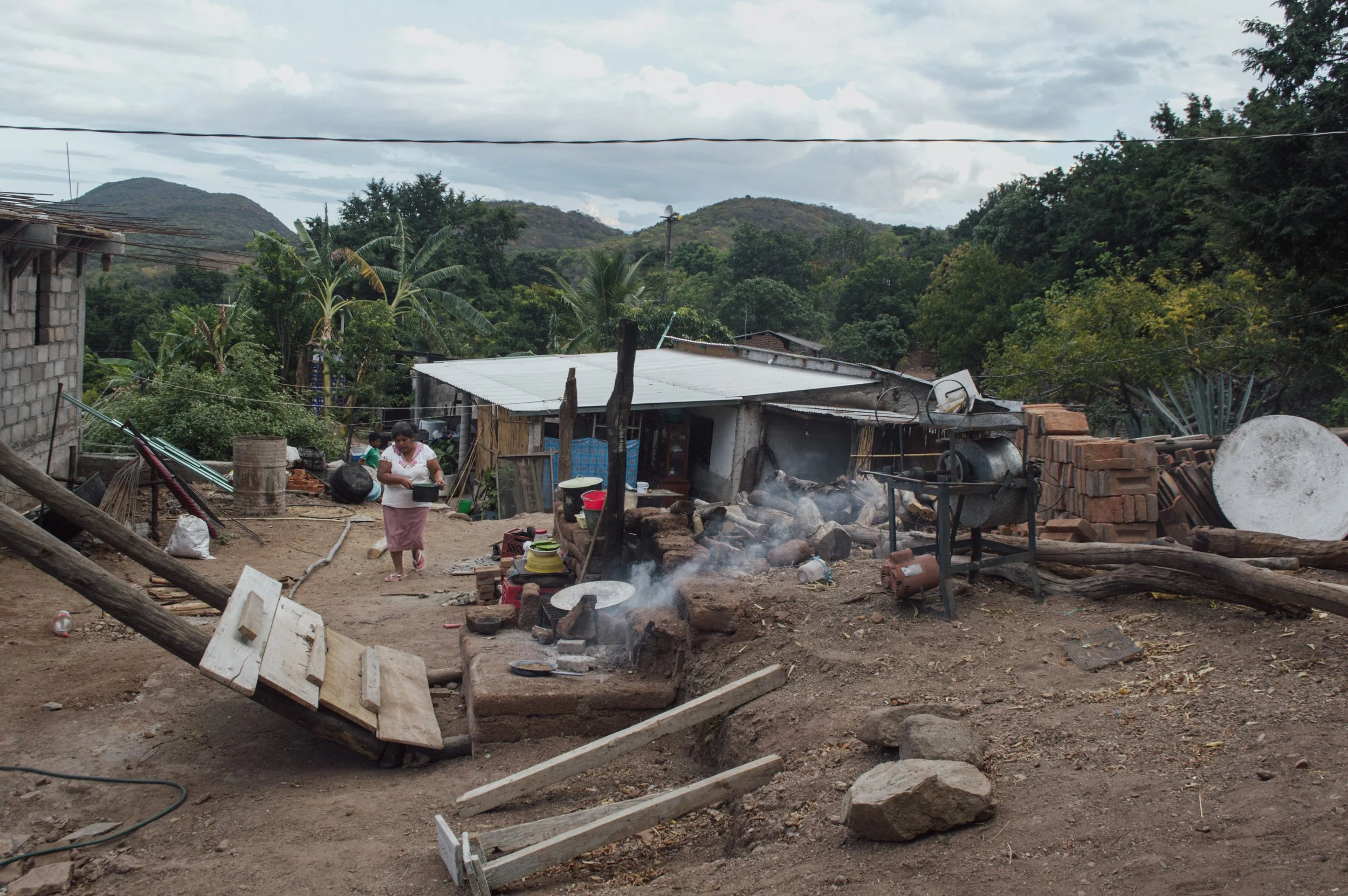
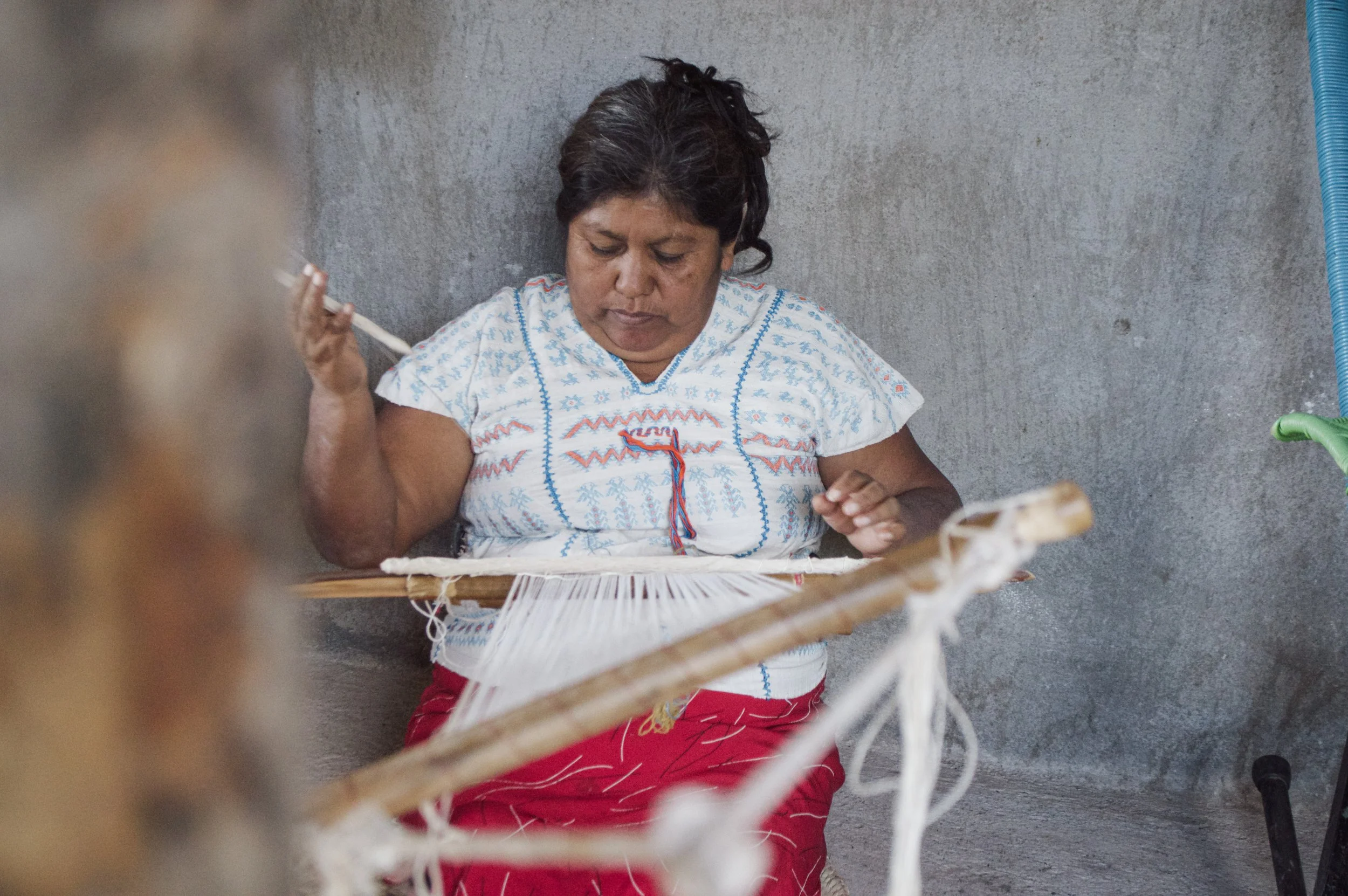
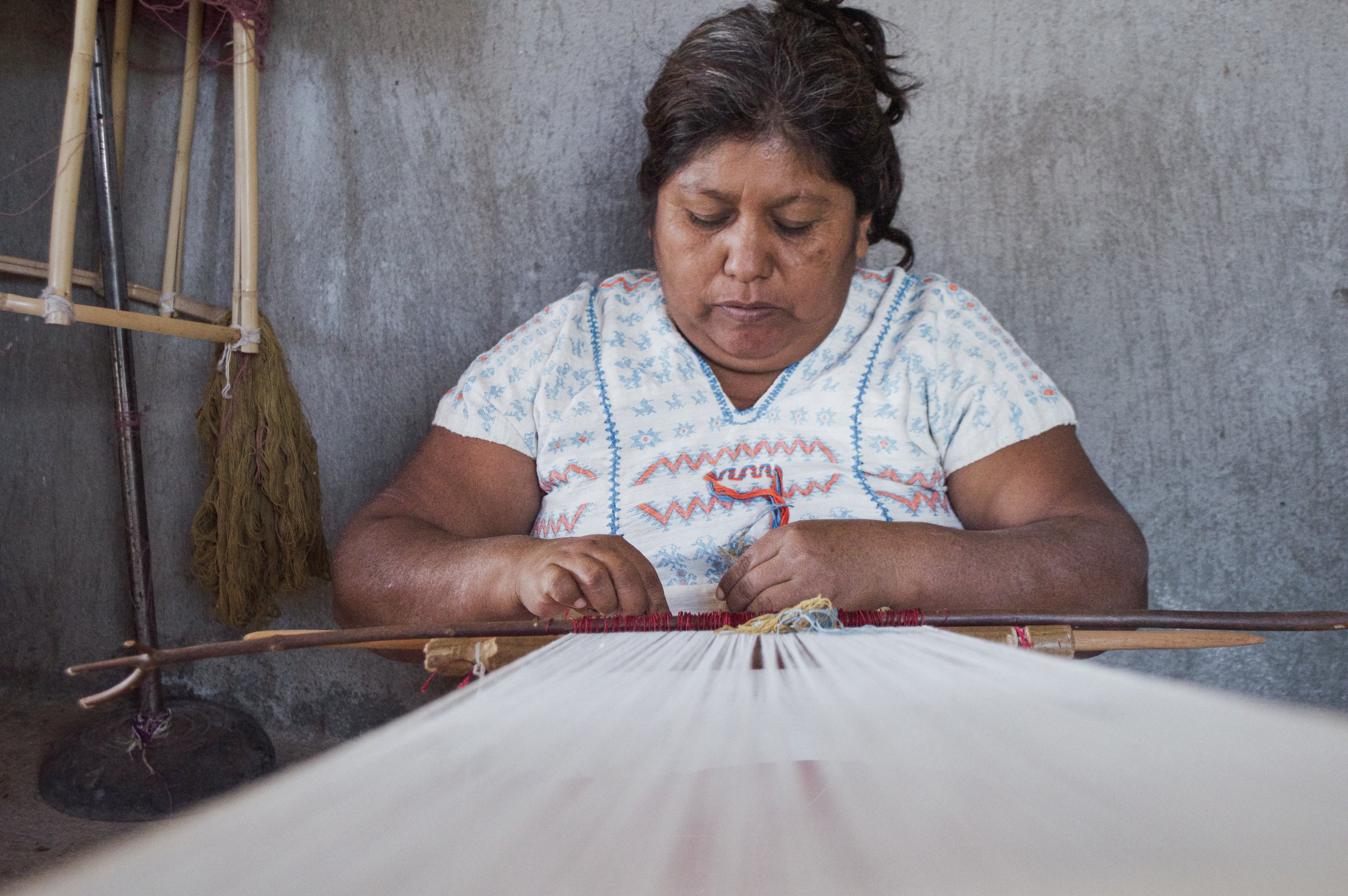
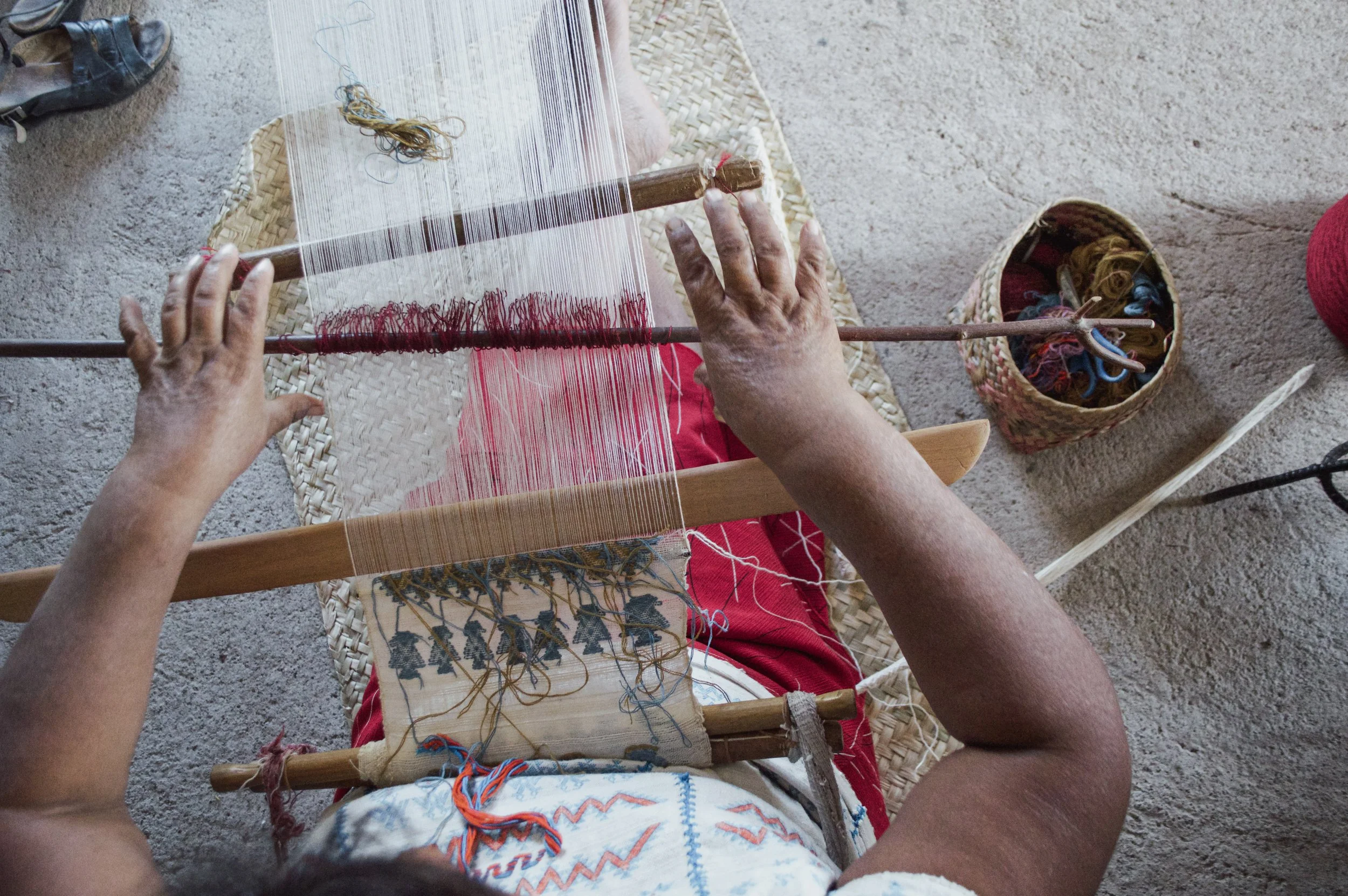
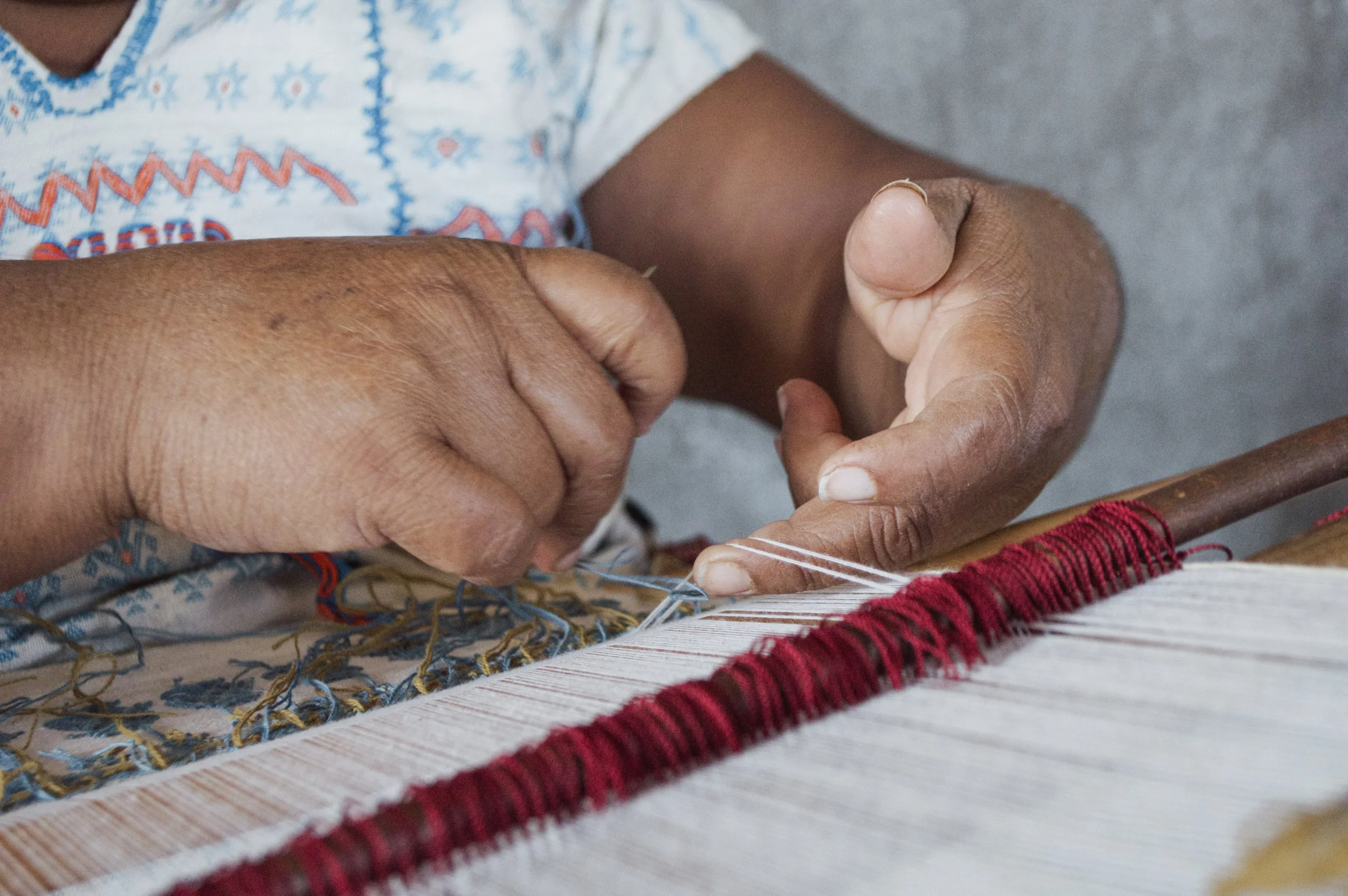
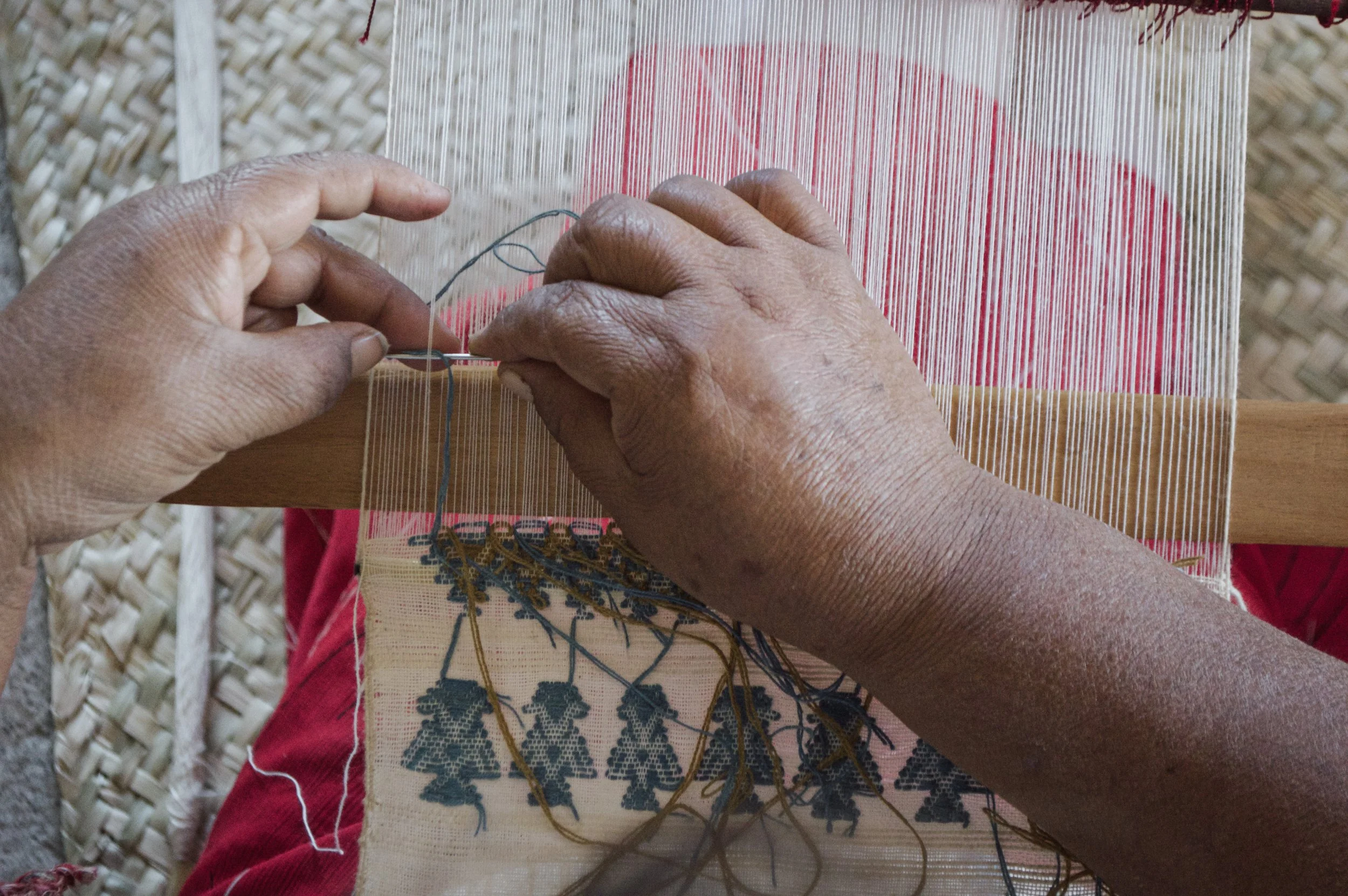
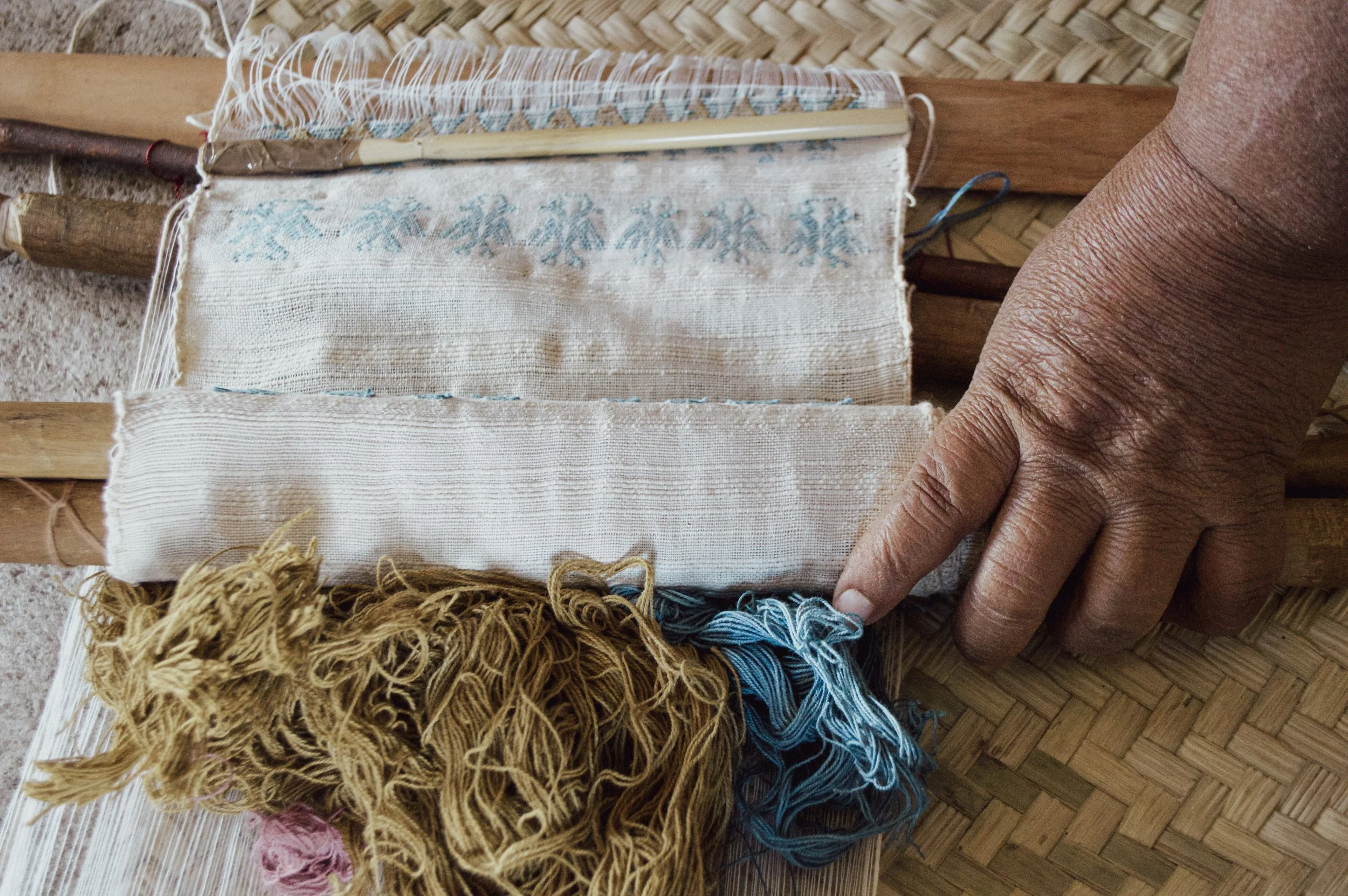
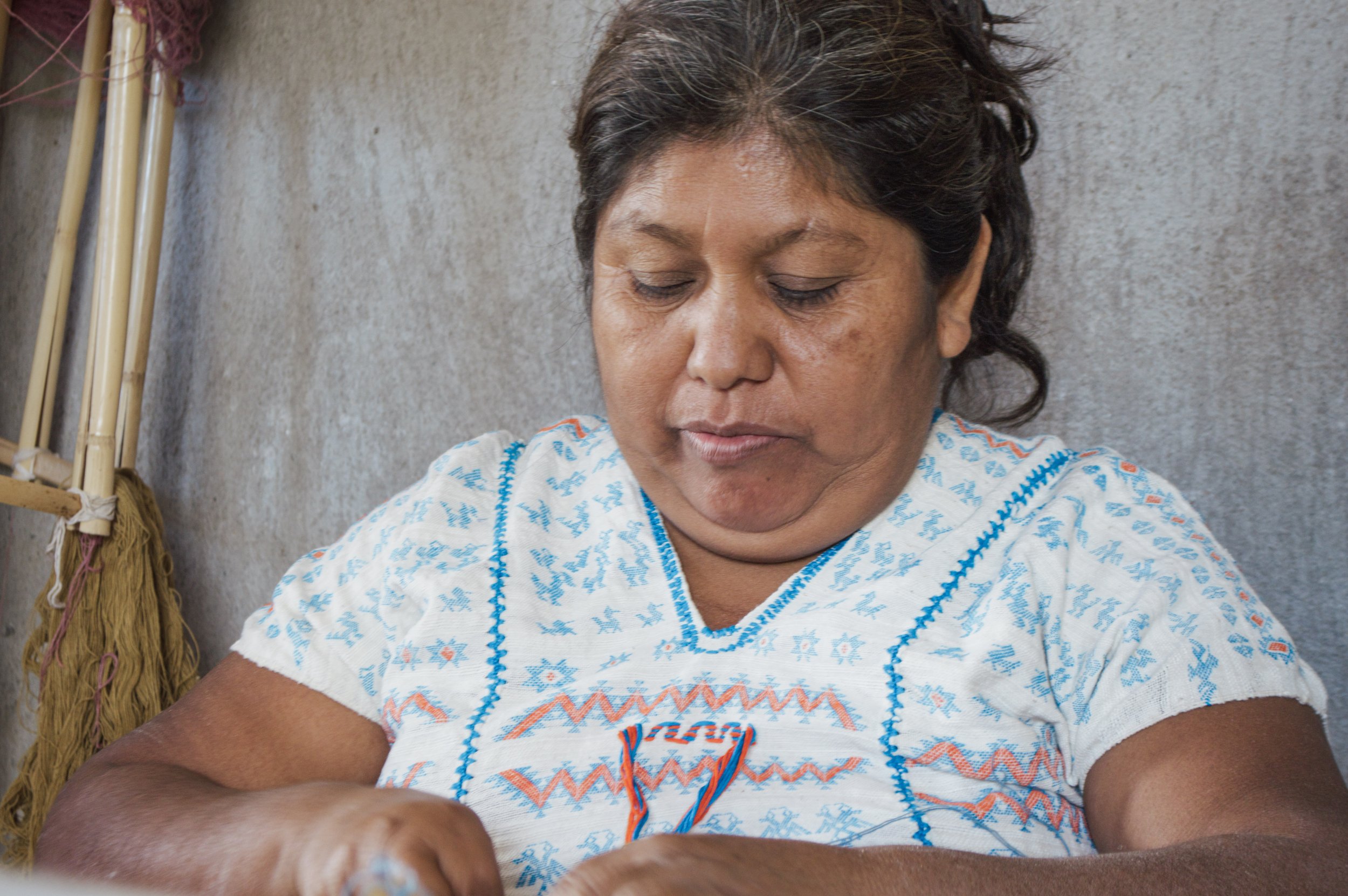
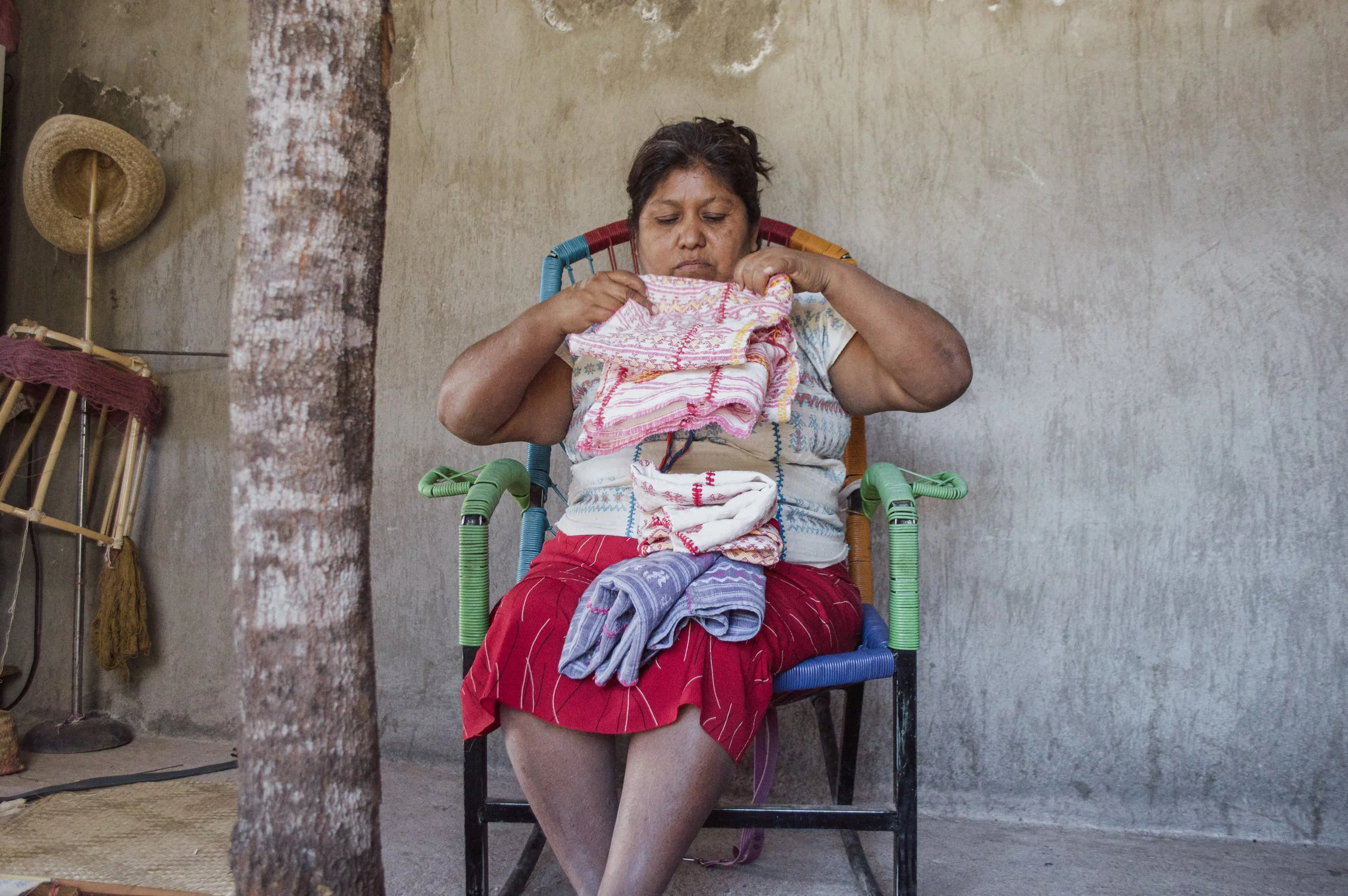
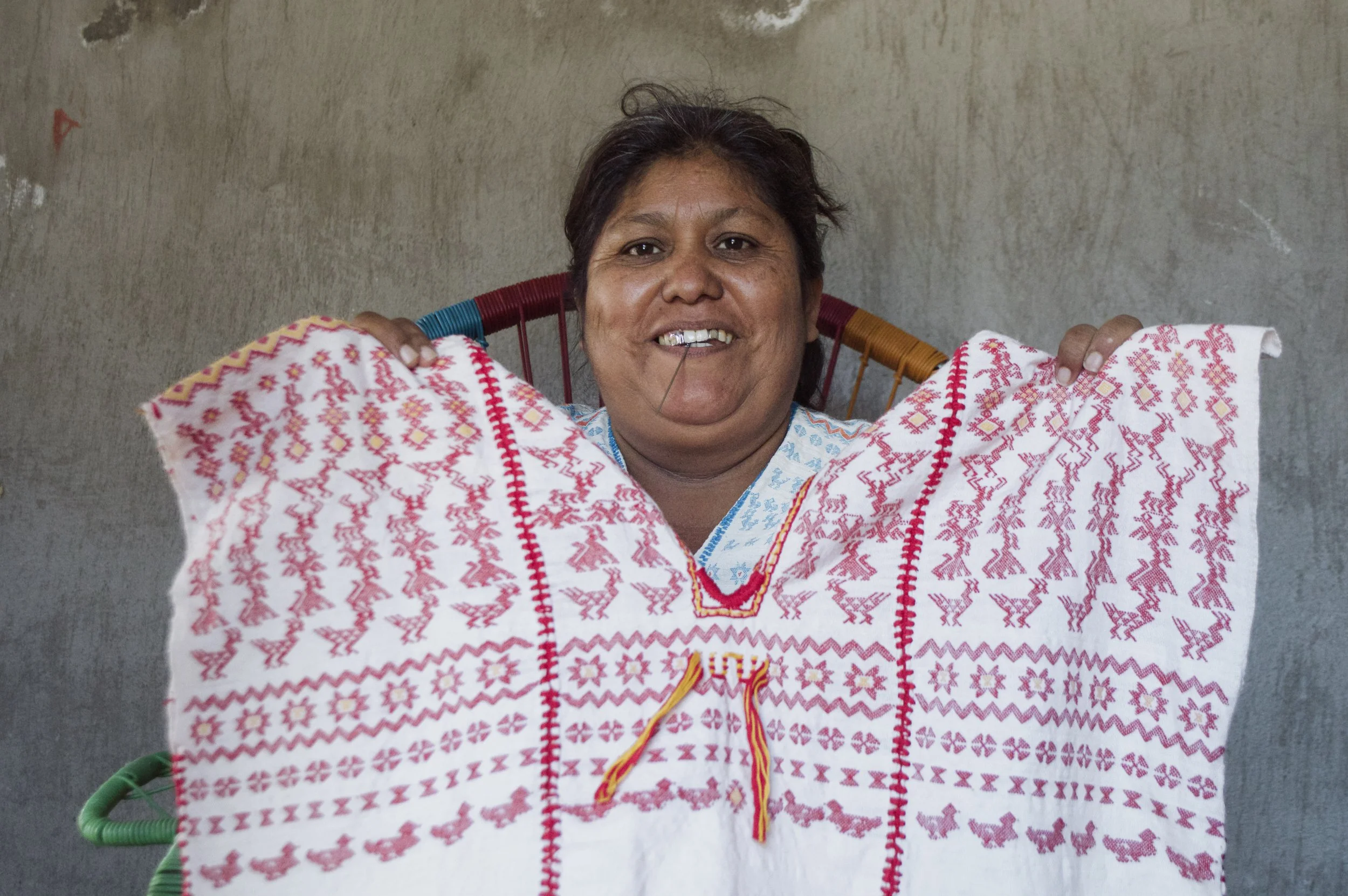
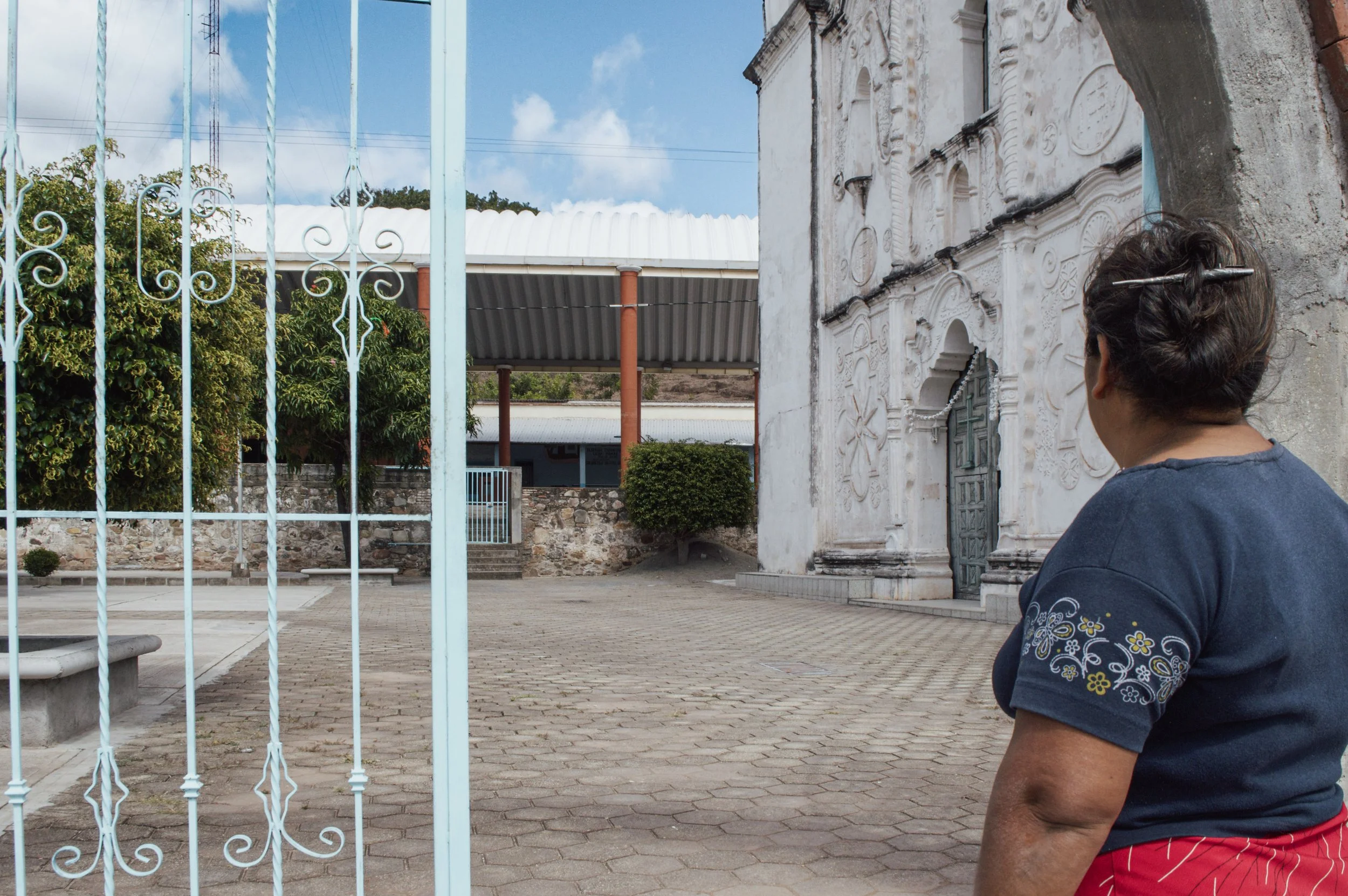
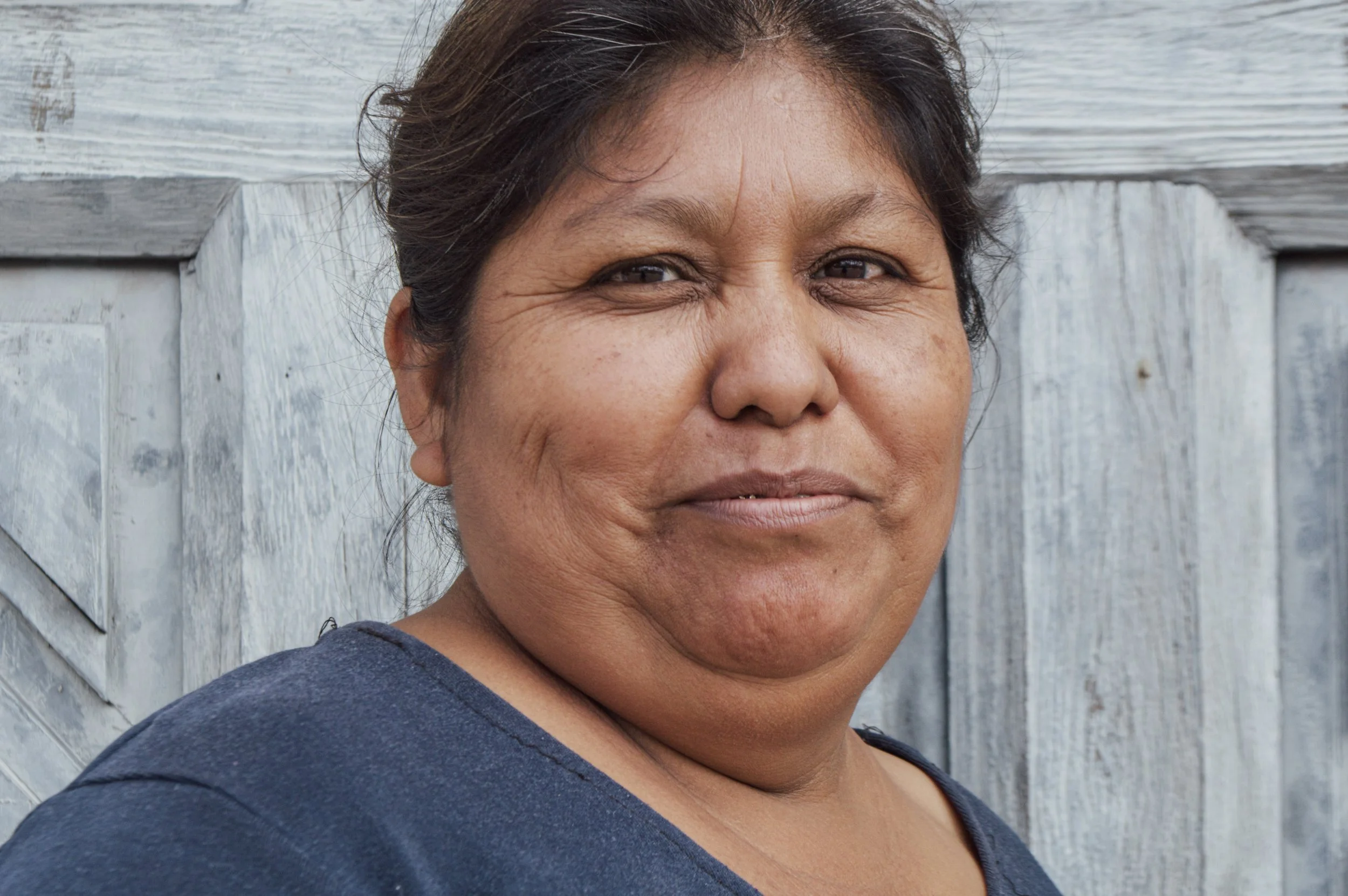
Aída Pineda is a backstrap loom artisan from San Bartolo Yautepec.
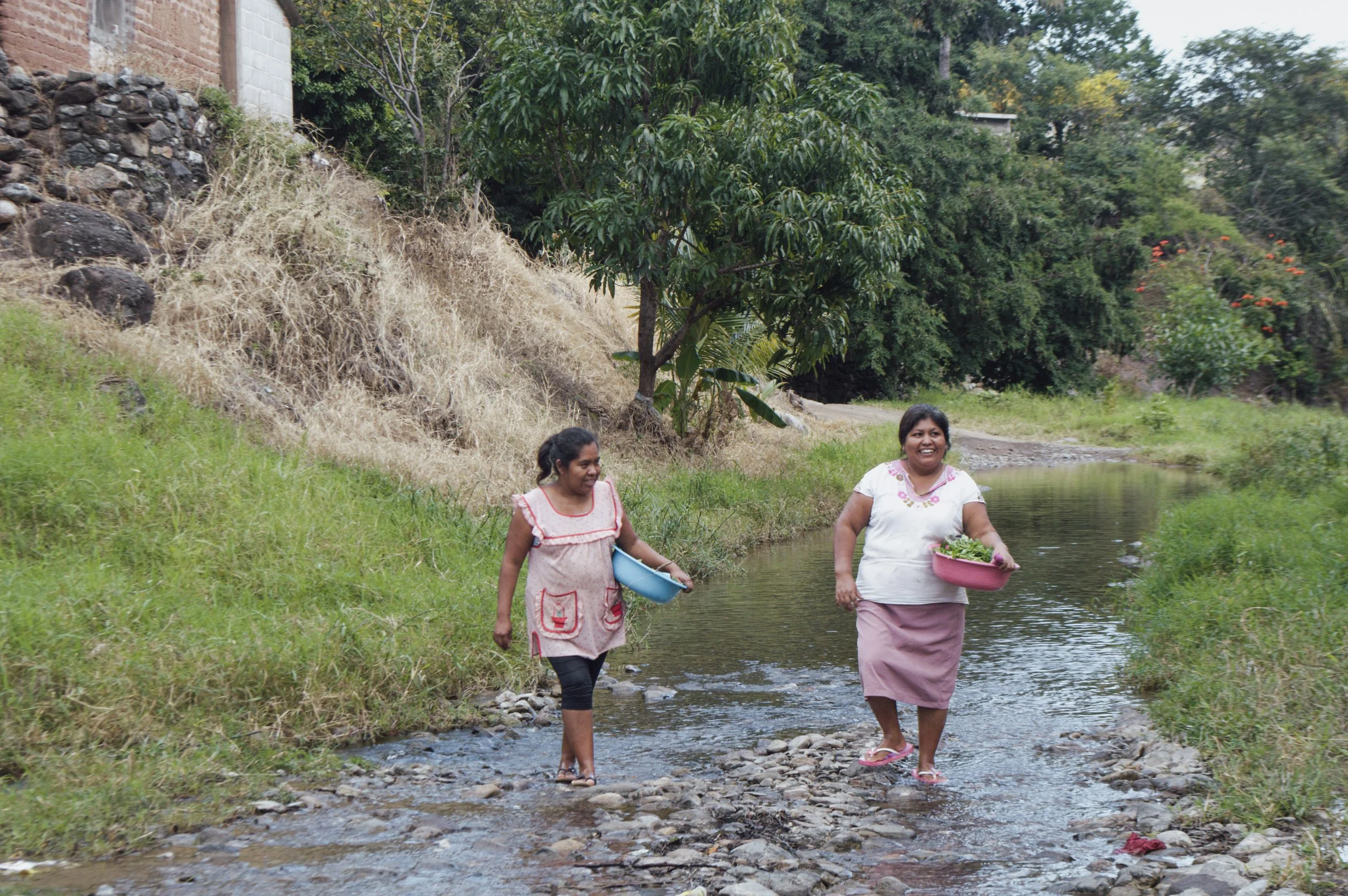
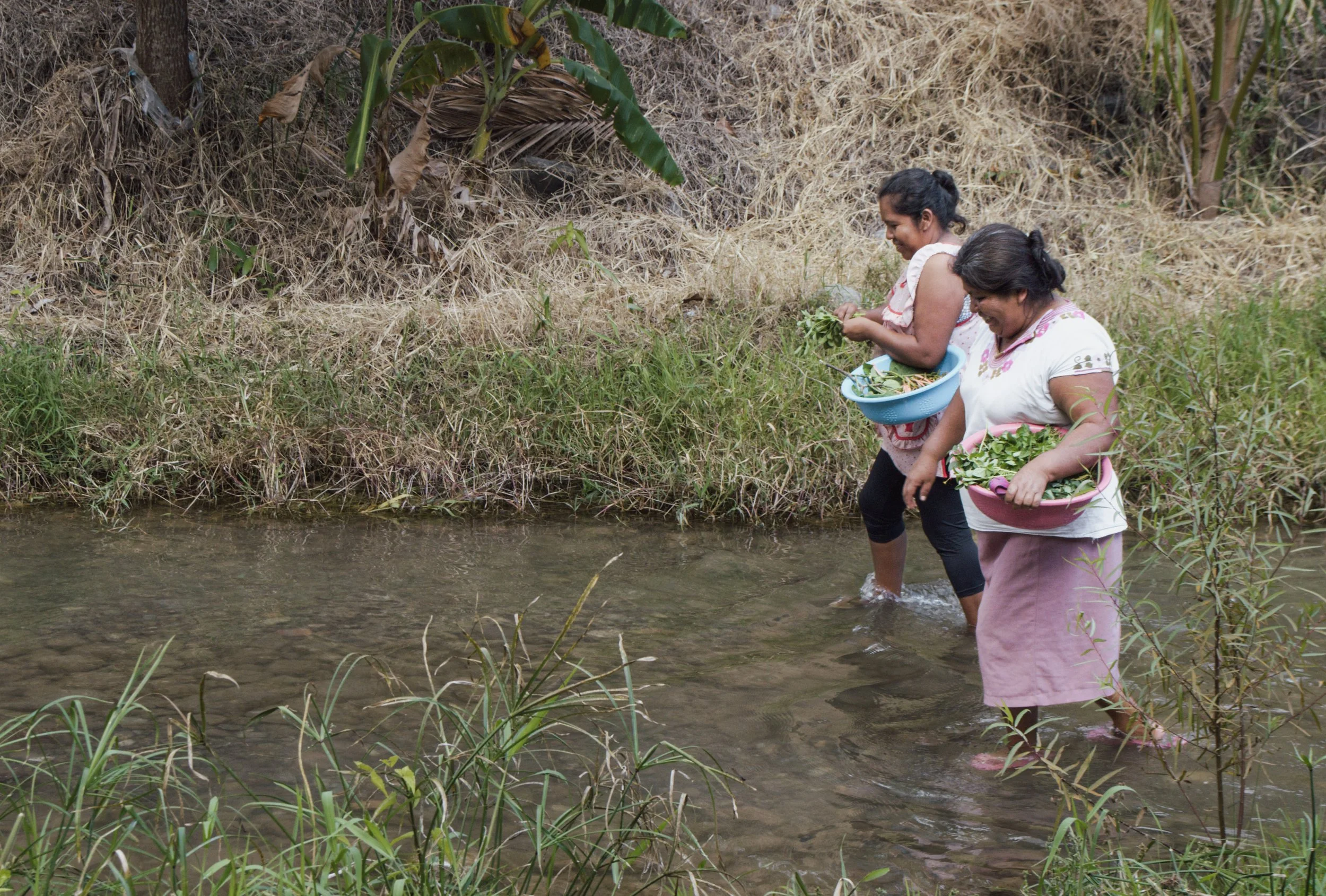
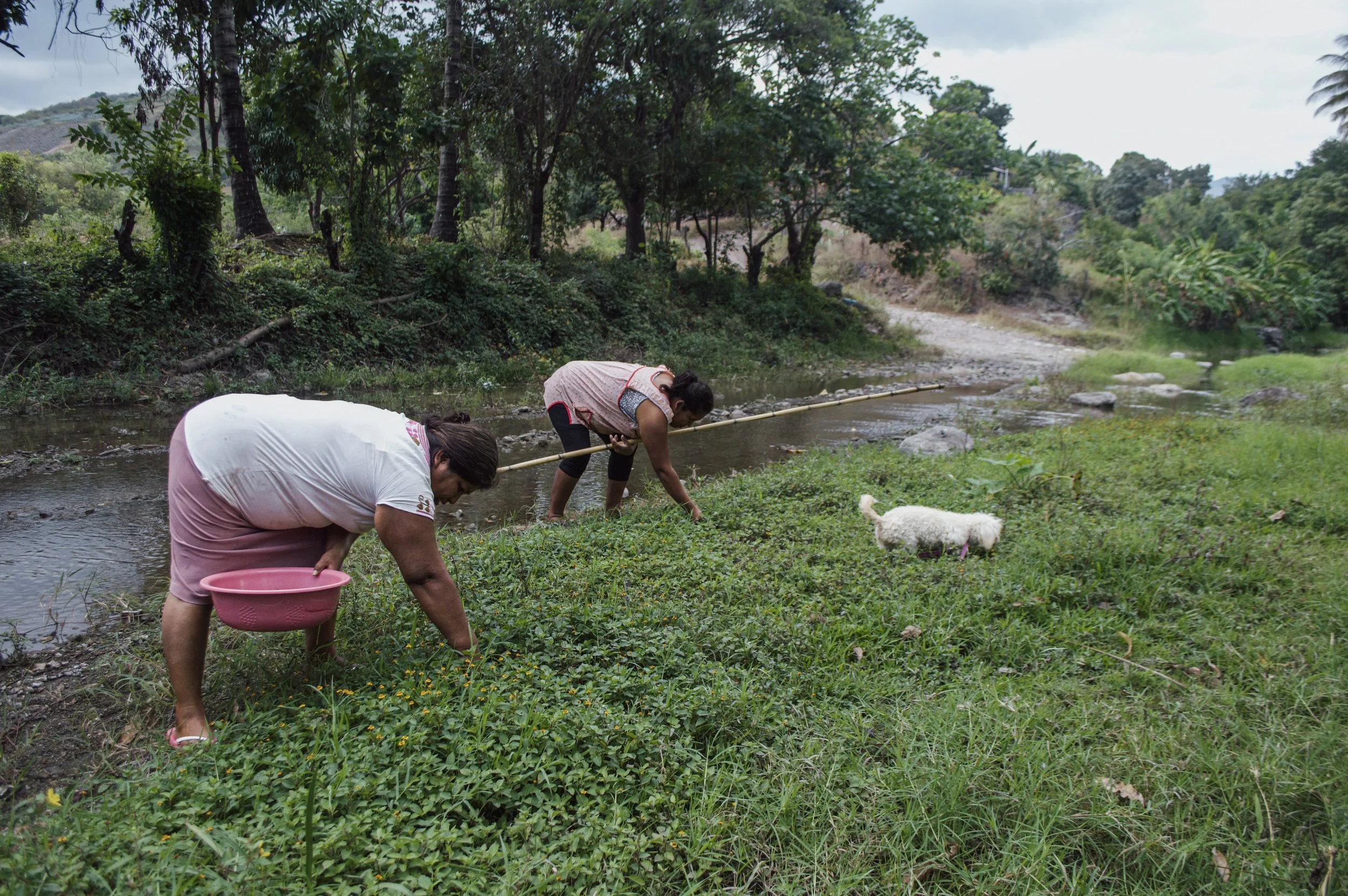
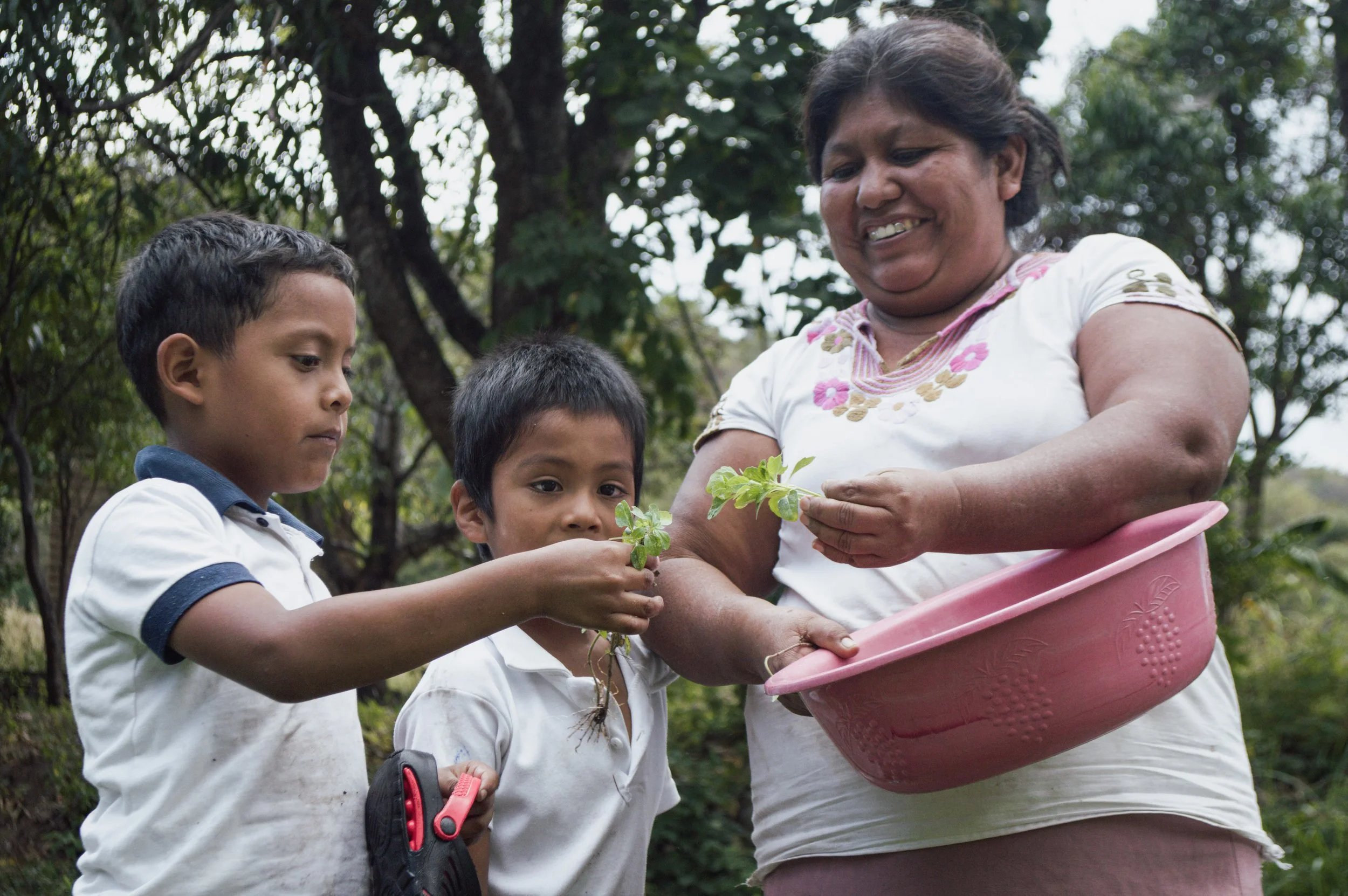
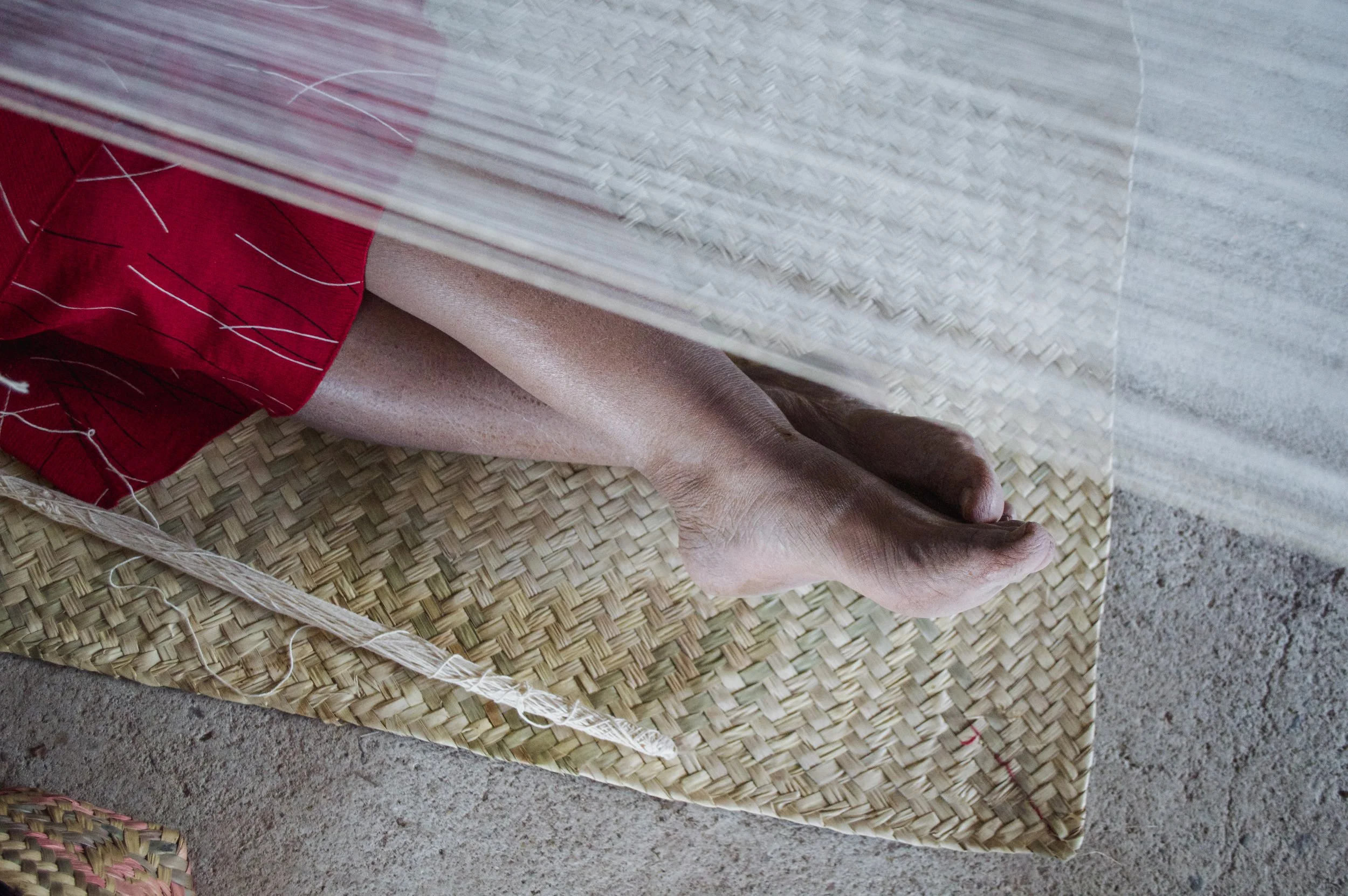
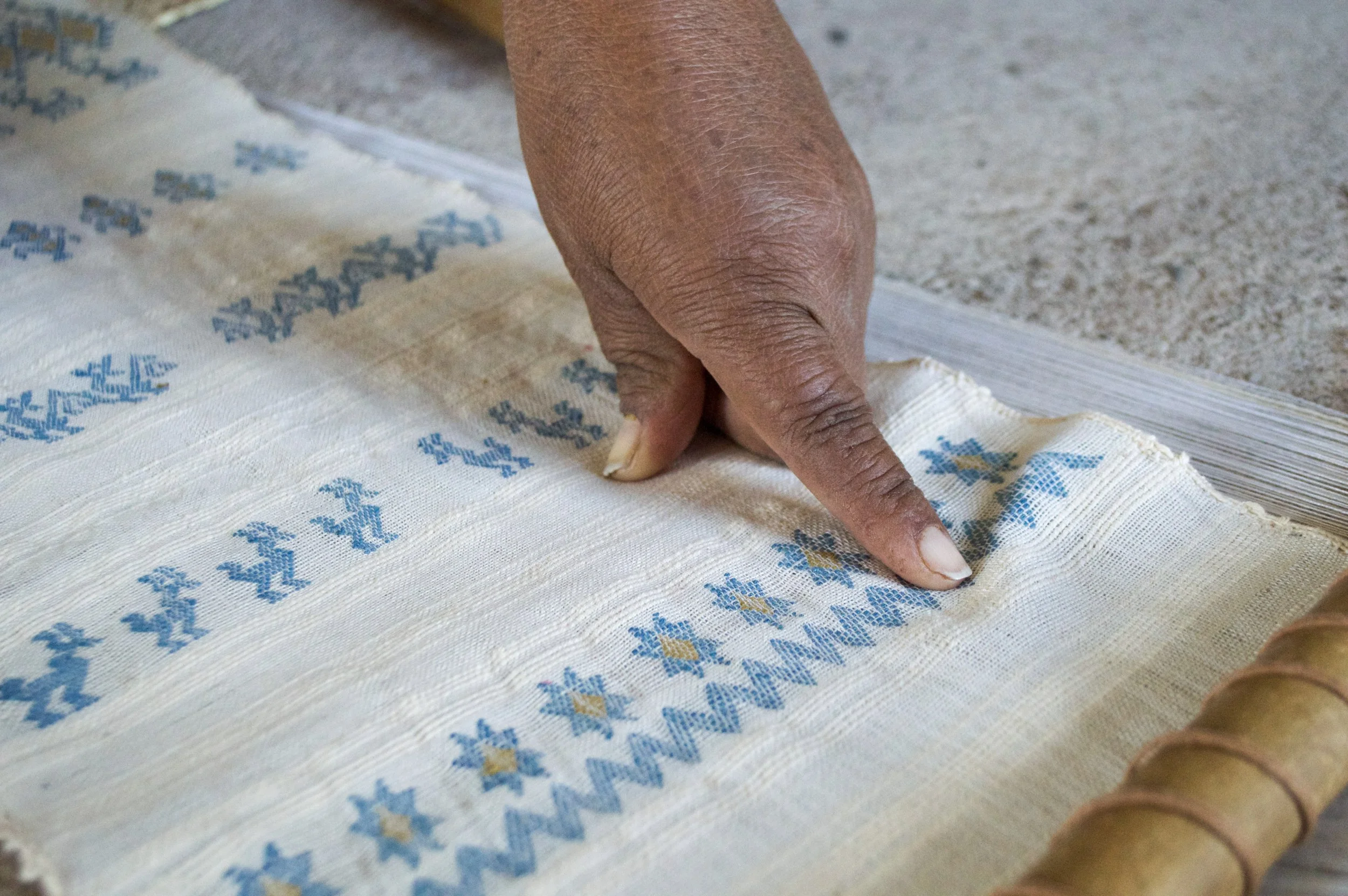
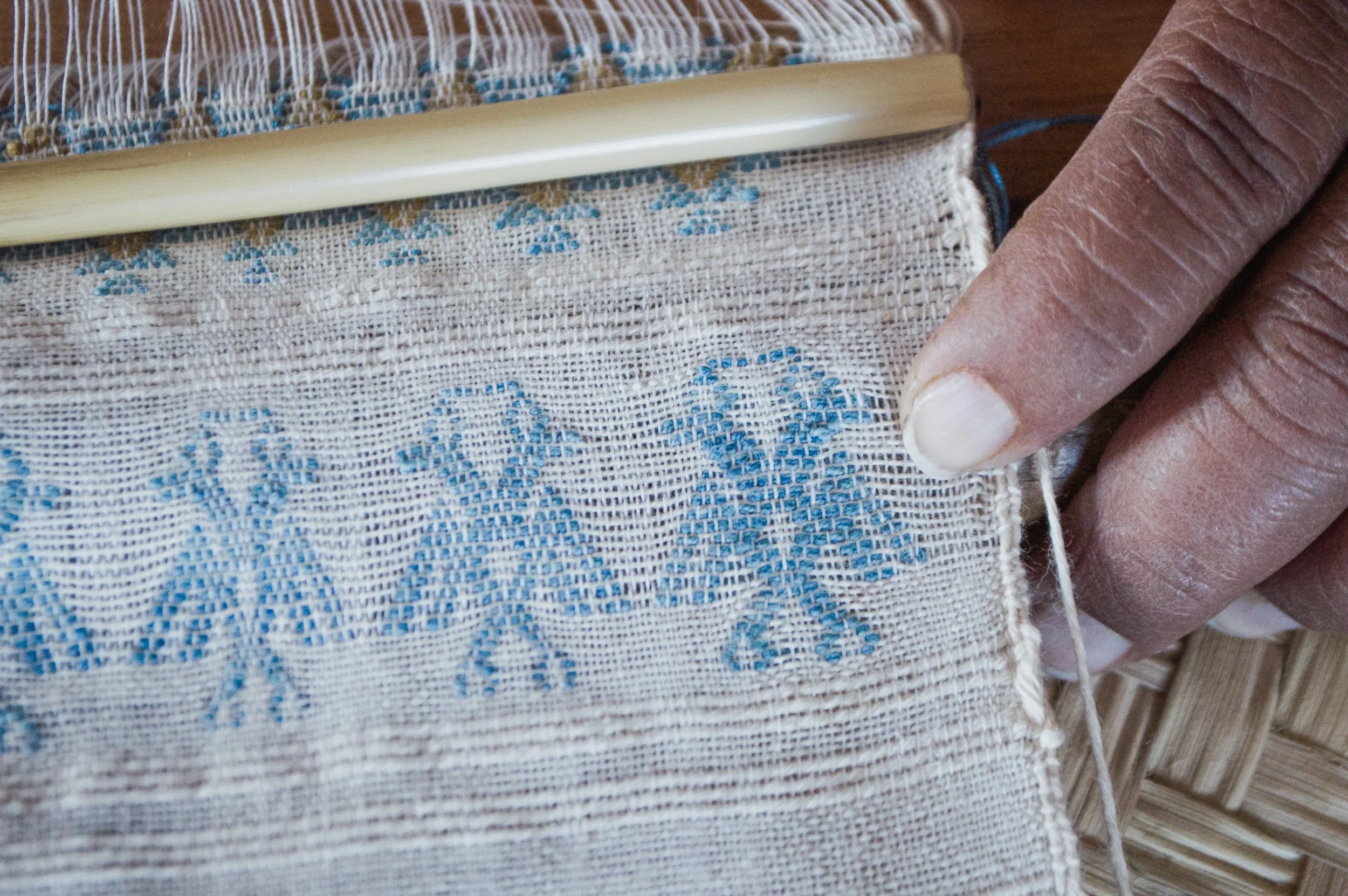
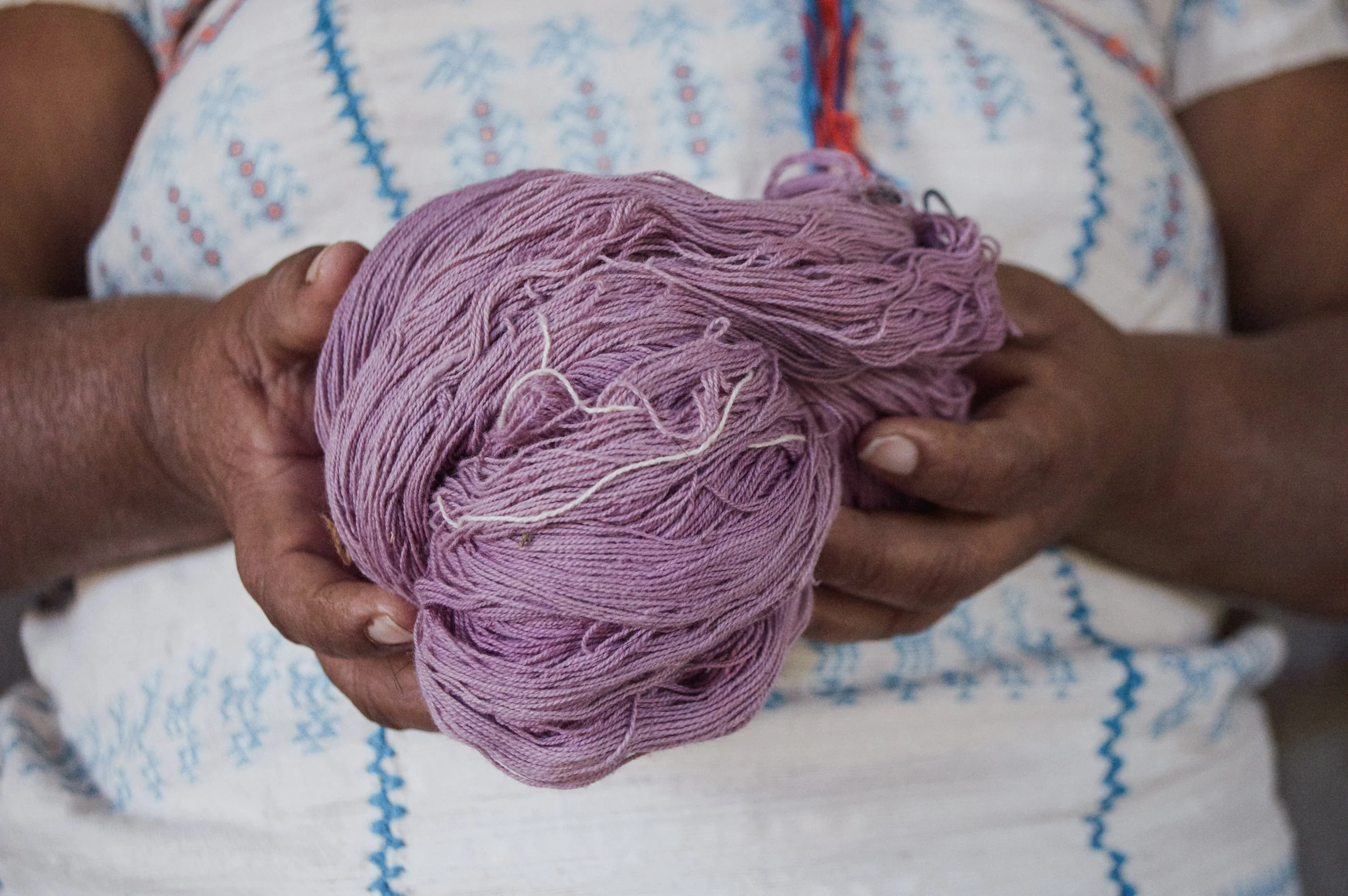
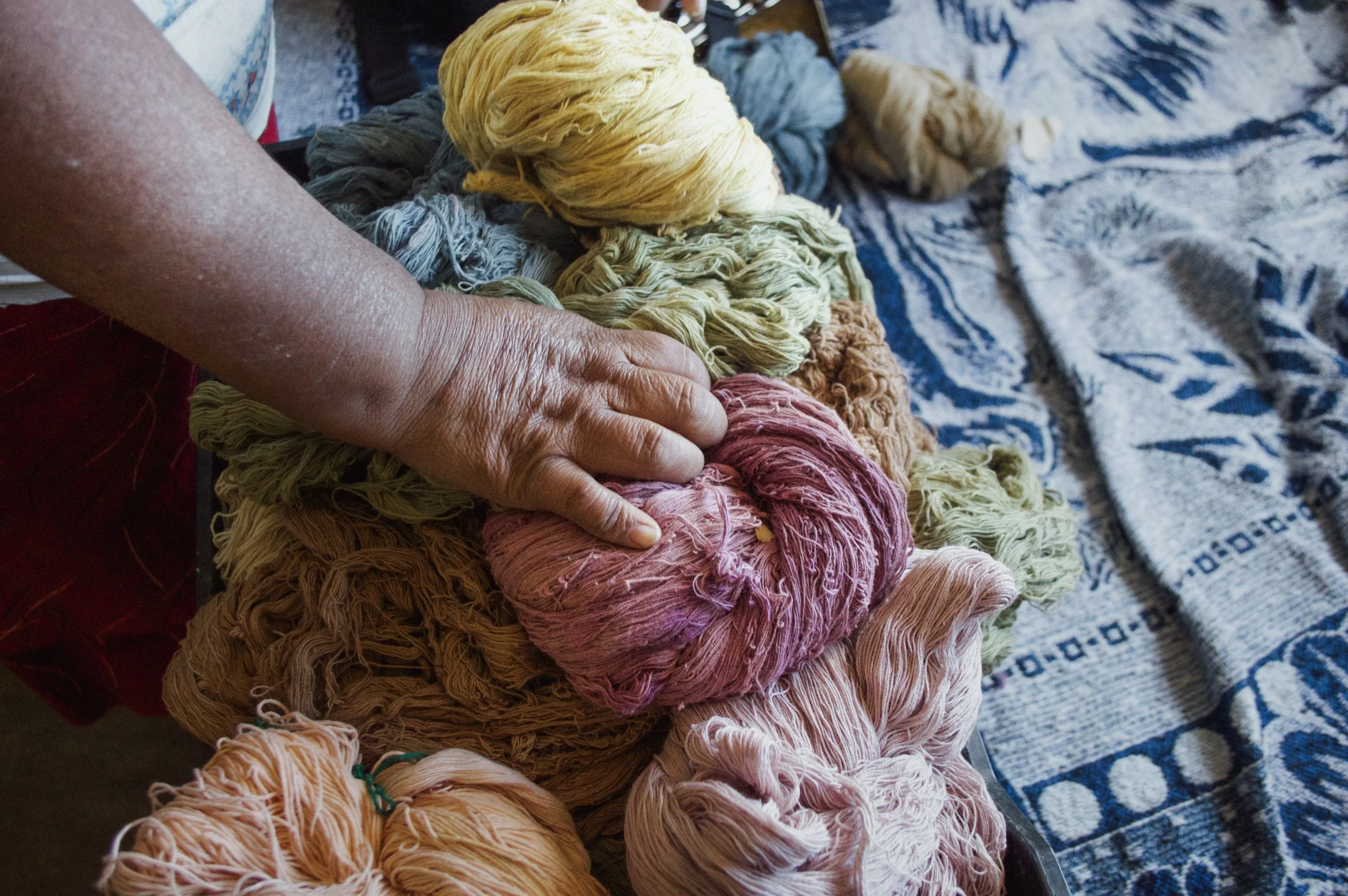
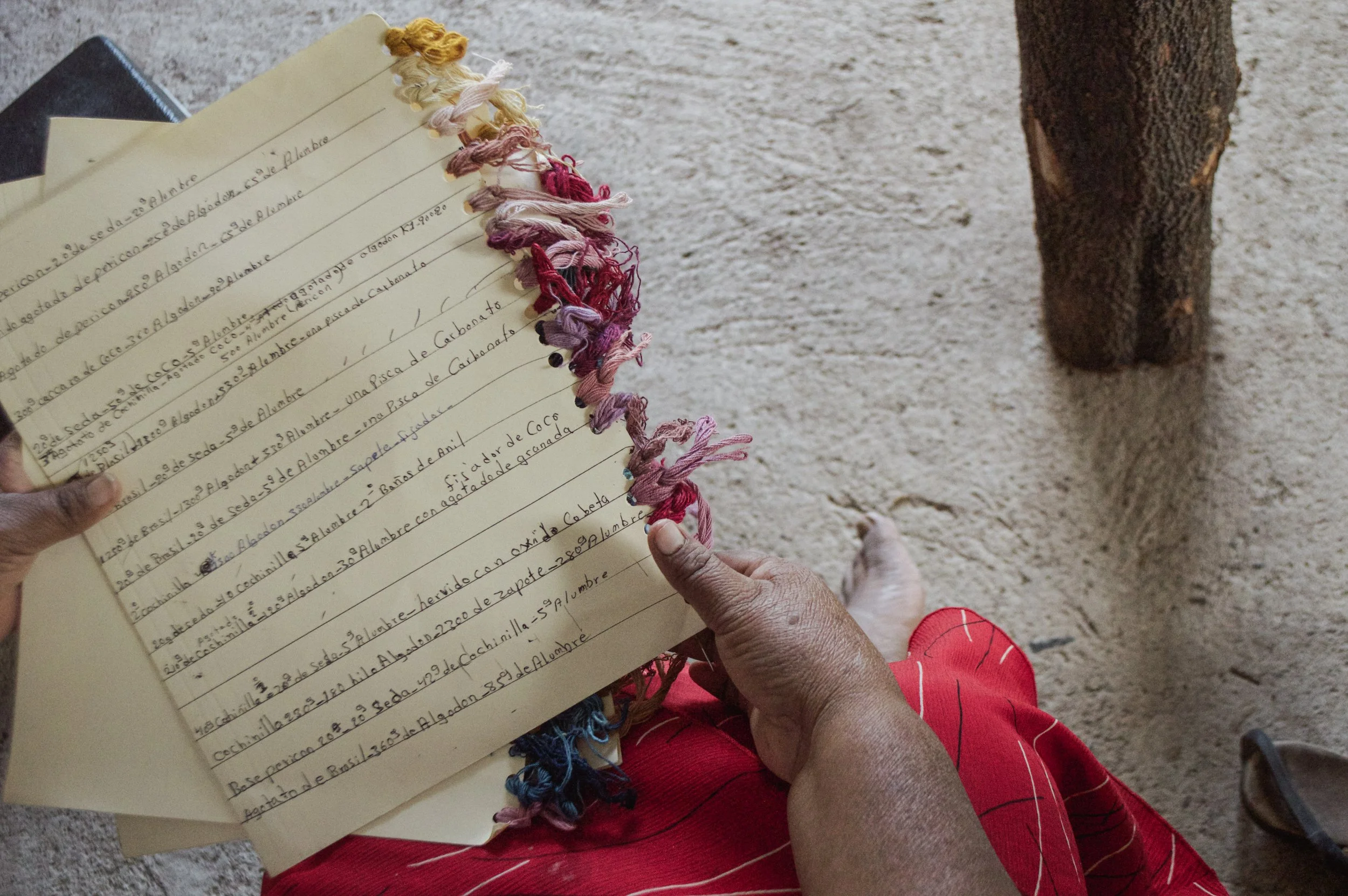
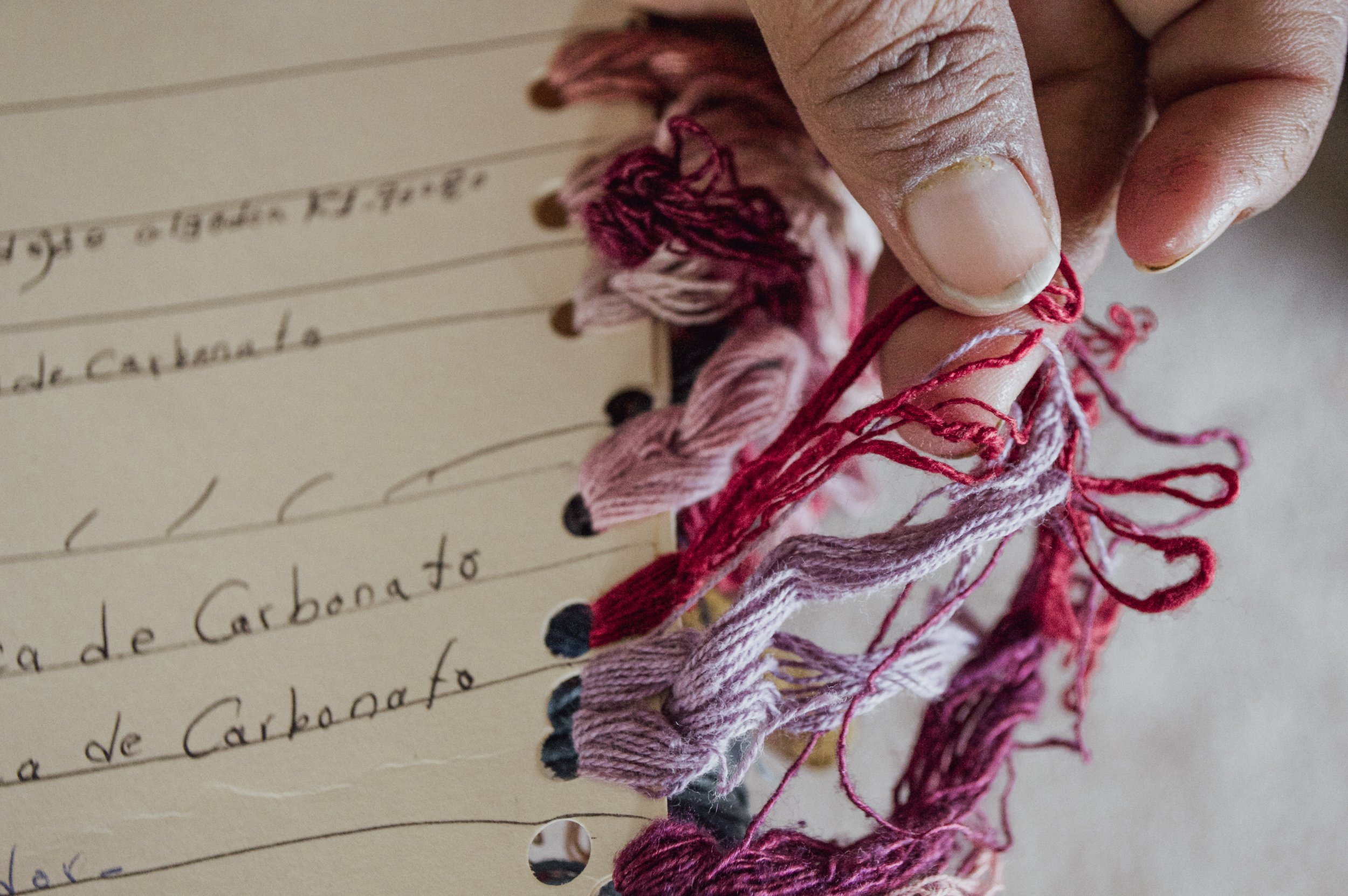
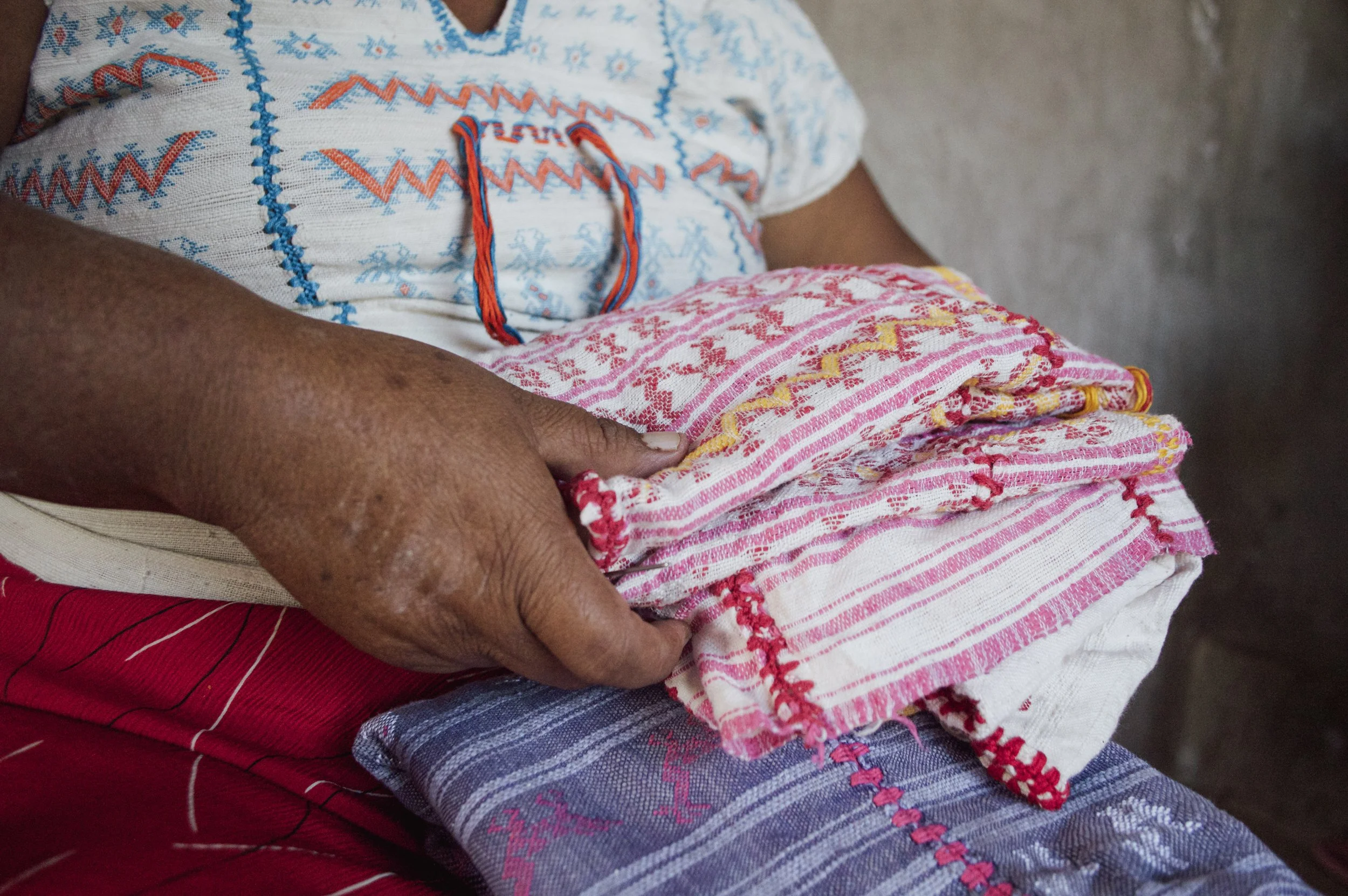
Her work preserves the stories, plants, animals, and agricultural life of her community. Her relationship with food and her relationship with weaving come from the same place: knowing, using, and passing on to the next generation what the land and the community have given her.
Listen to Aída’s Story
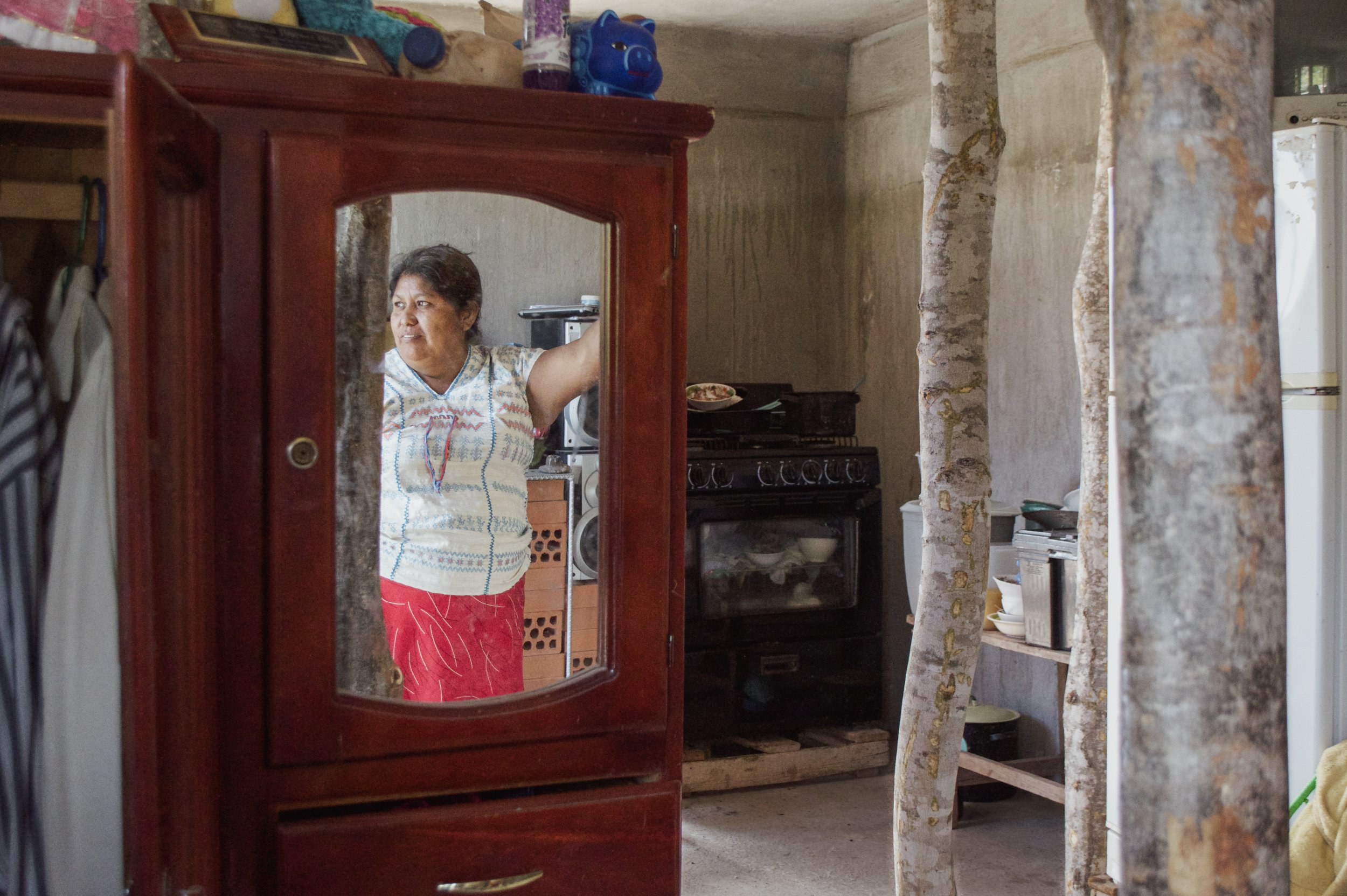
Aída learned to weave because she needed to buy shoes for her children. What began as an act of necessity became her livelihood, her independence, and a way to keep a disappearing tradition alive. Today, she makes a living from her craft, teaches it to others, and uses it to give her children the opportunities she never had. Her story is about what we lose when traditional knowledge disappears—and what becomes possible when we choose to keep it alive.




Listen to Aída’s Story
Aída learned to weave because she needed to buy shoes for her children. What began as an act of necessity became her livelihood, her independence, and a way to keep a disappearing tradition alive. Today, she makes a living from her craft, teaches it to others, and uses it to give her children the opportunities she never had. Her story is about what we lose when traditional knowledge disappears—and what becomes possible when we choose to keep it alive.
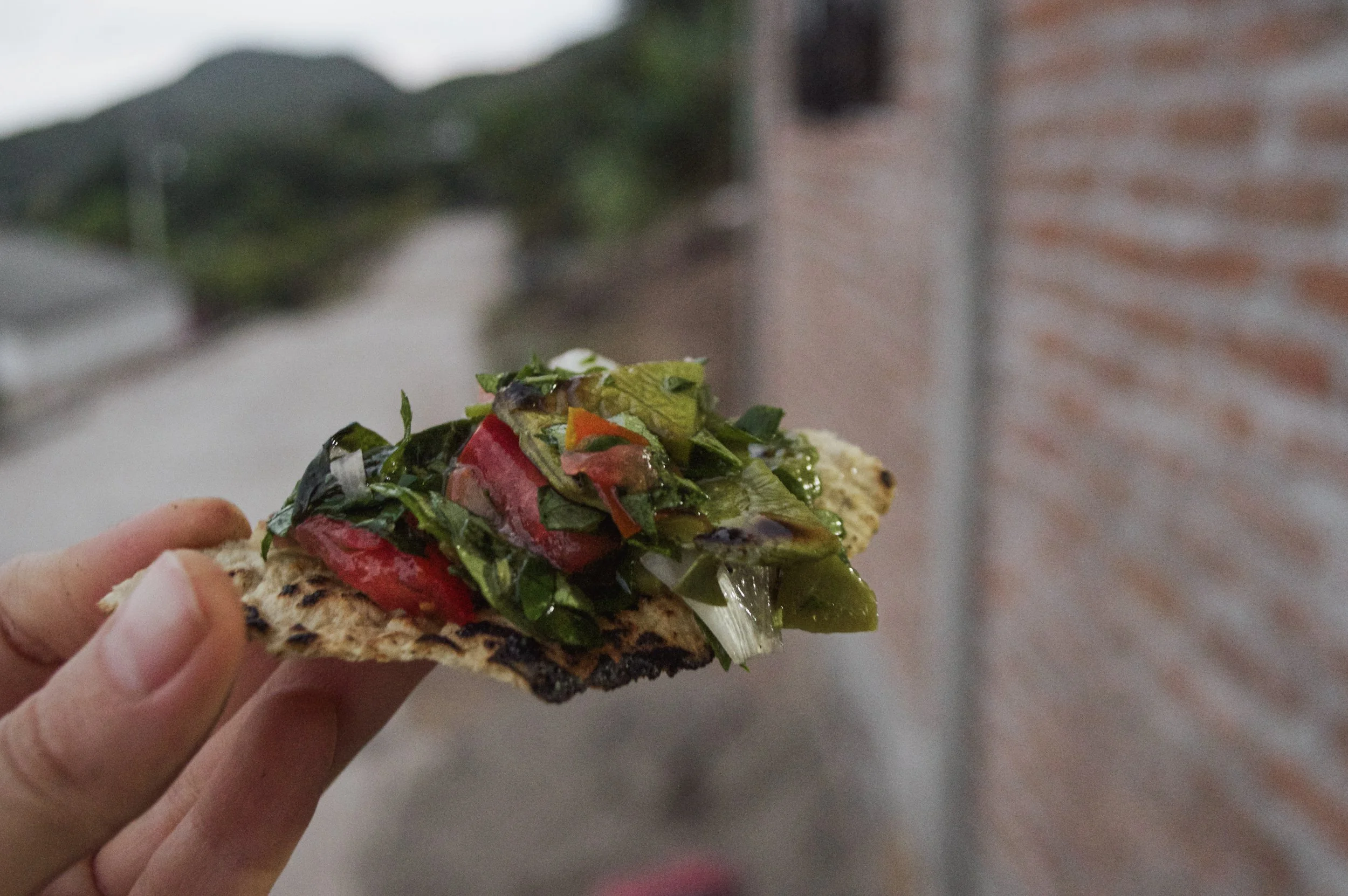
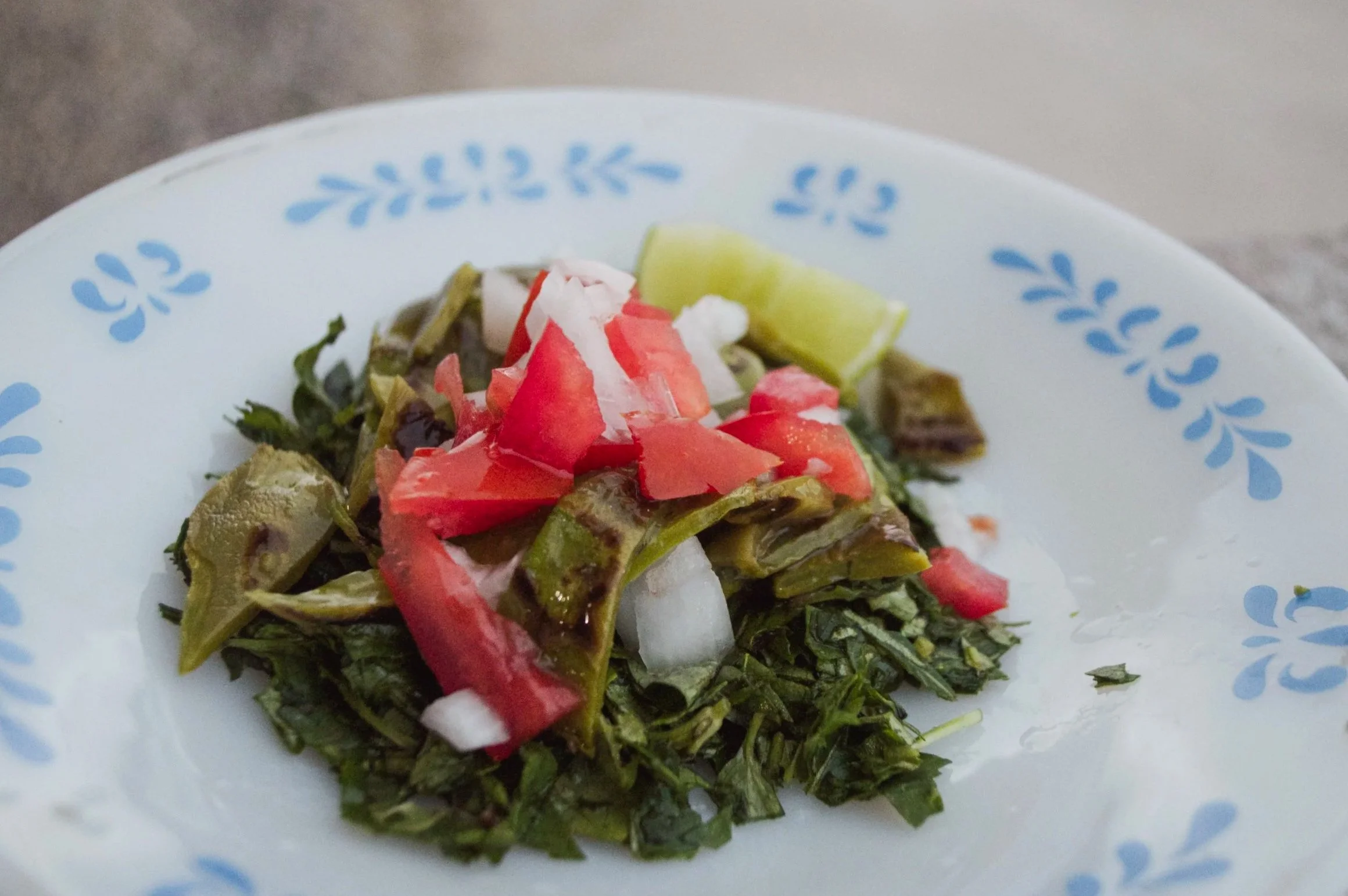
Peppery Watercress and Nopales Salad
By Aída Pineda
INGREDIENTS
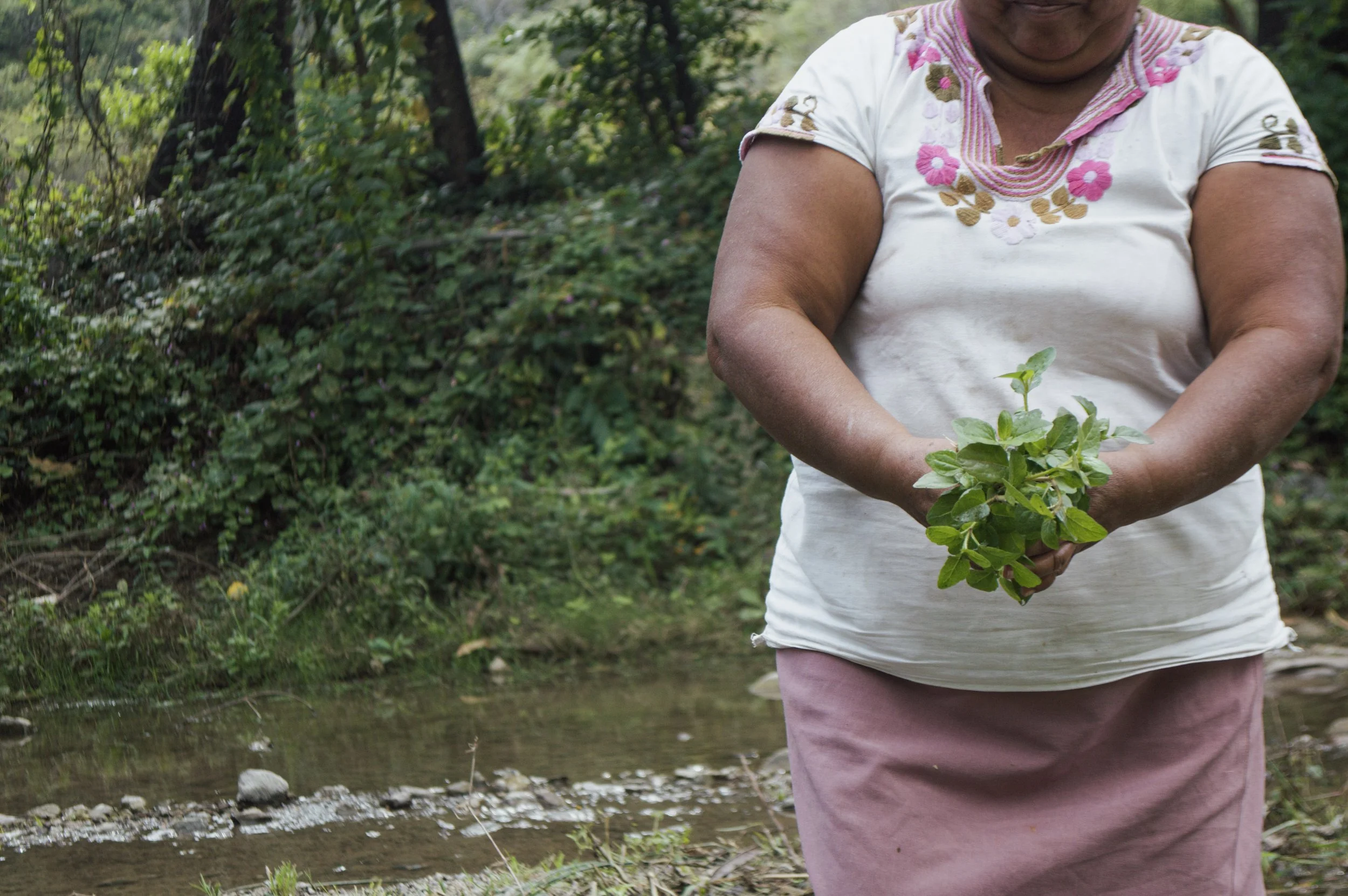
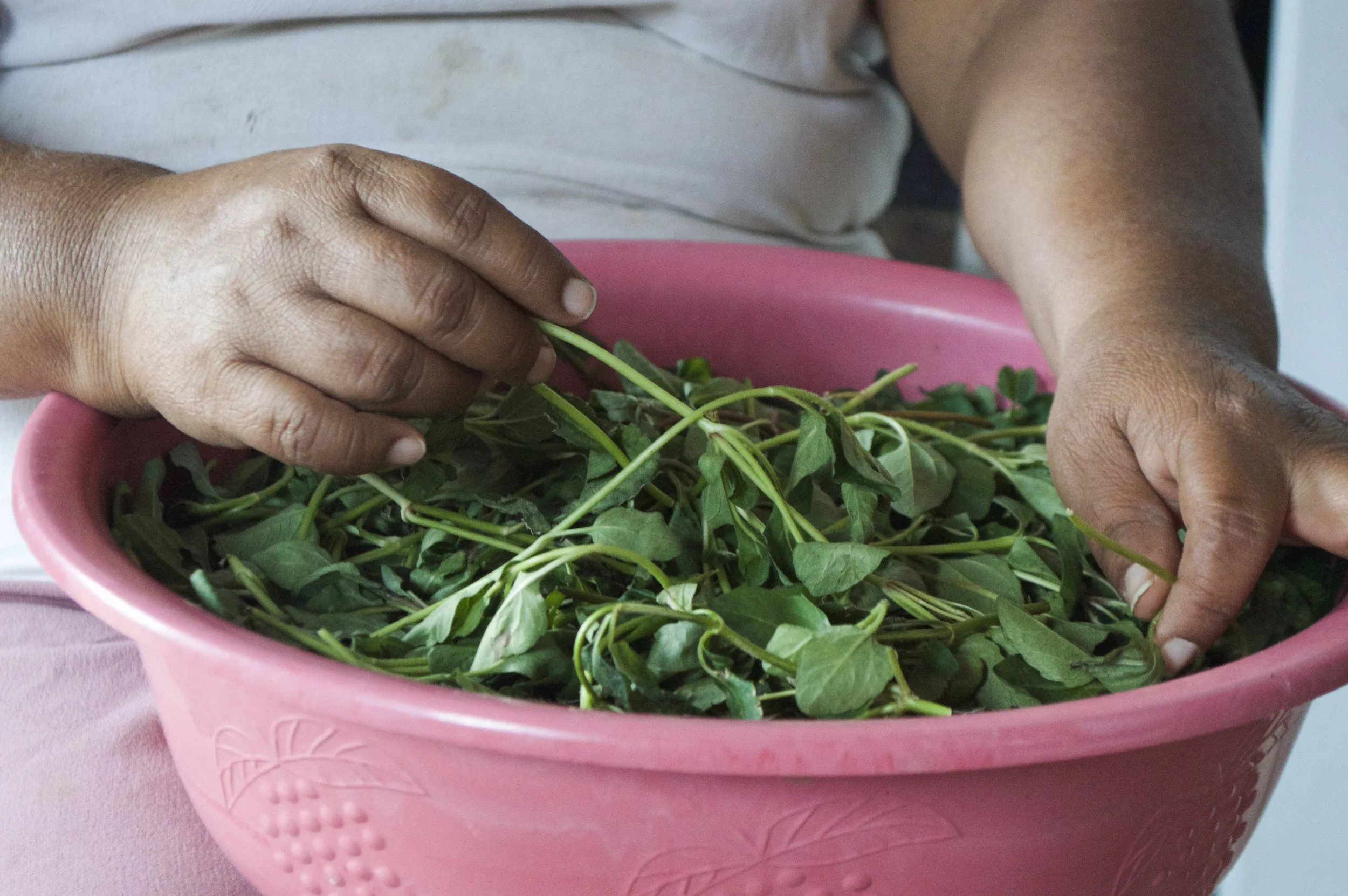
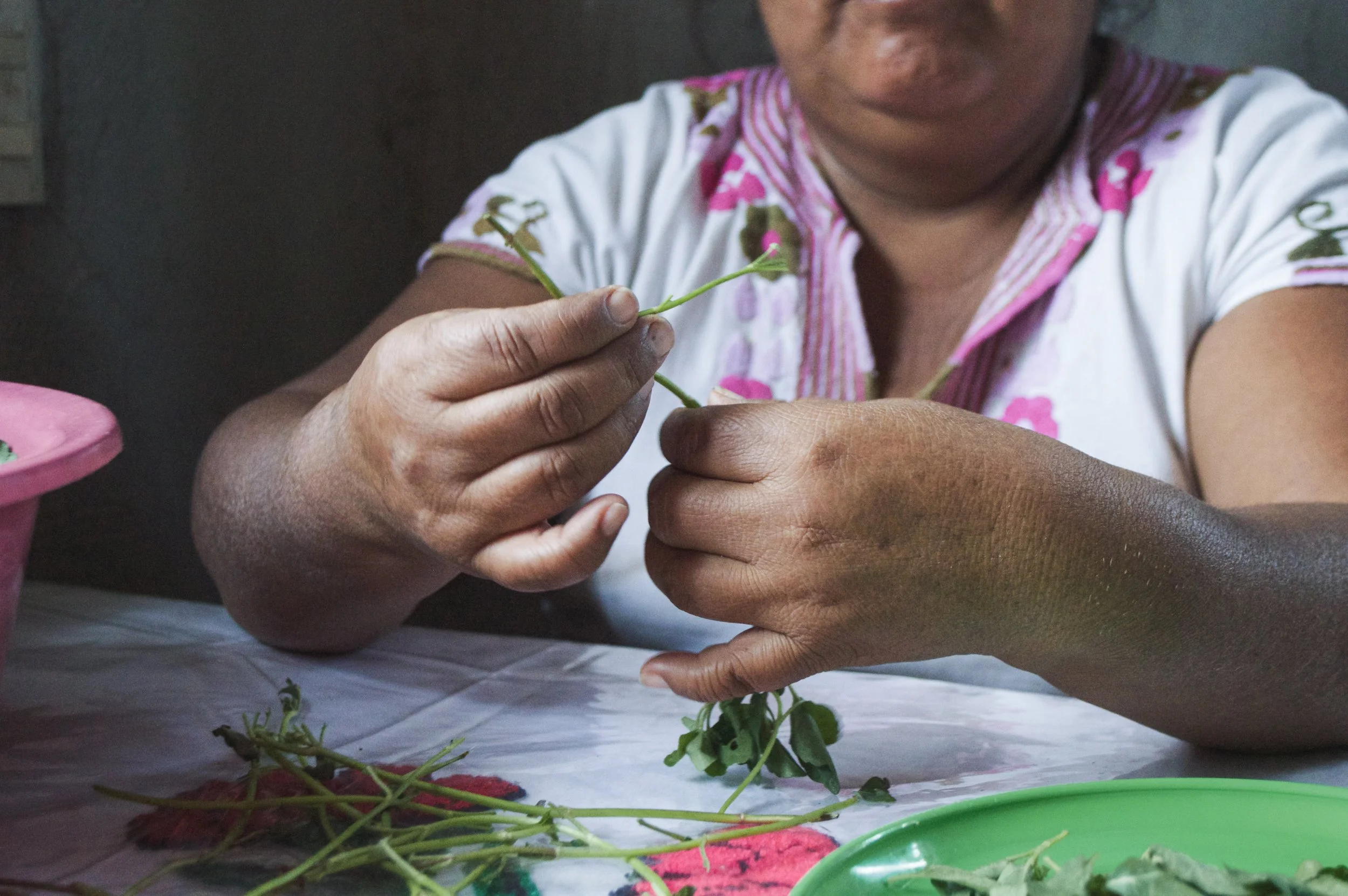
2 cups fresh watercress, washed and trimmed
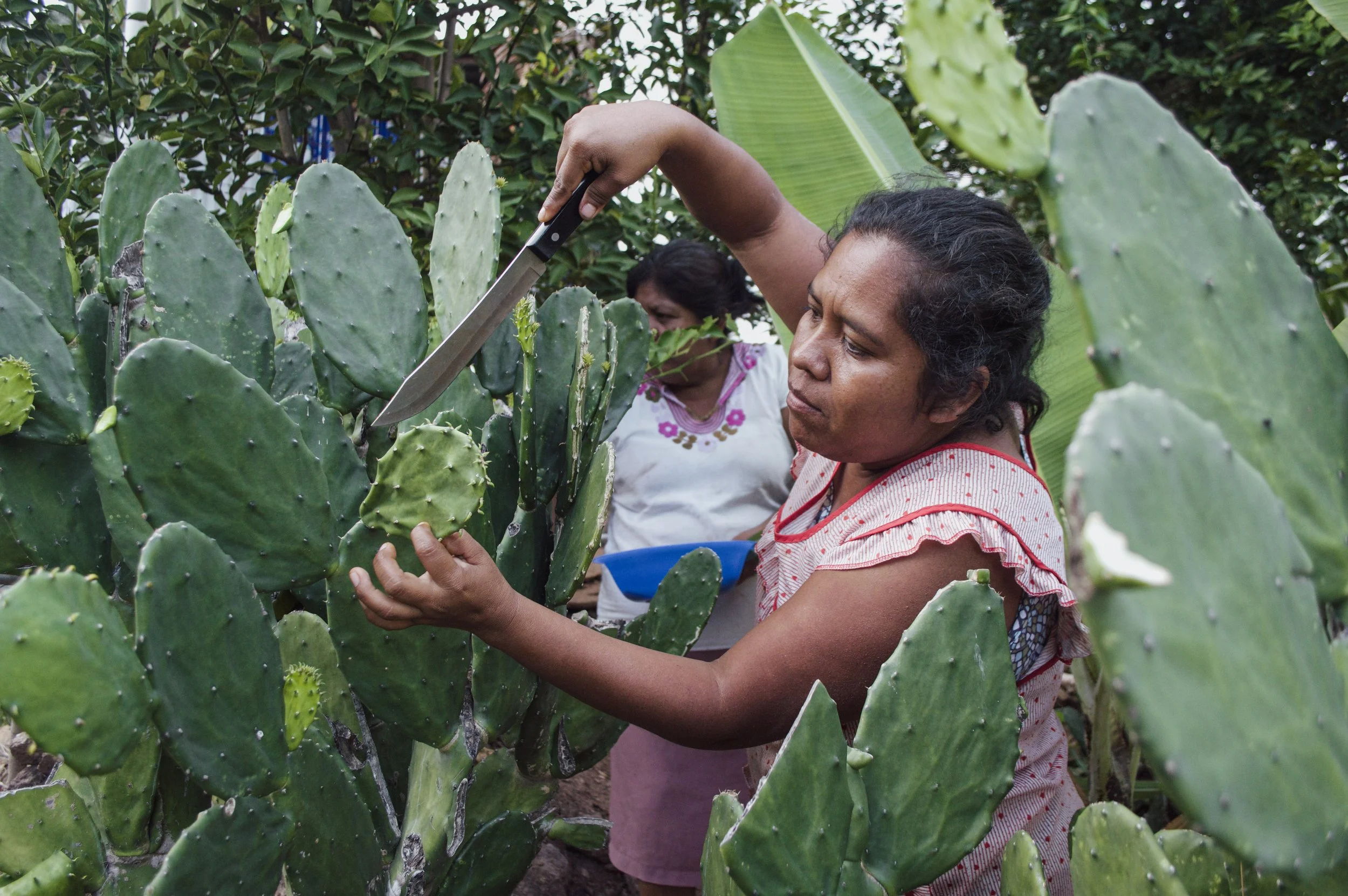
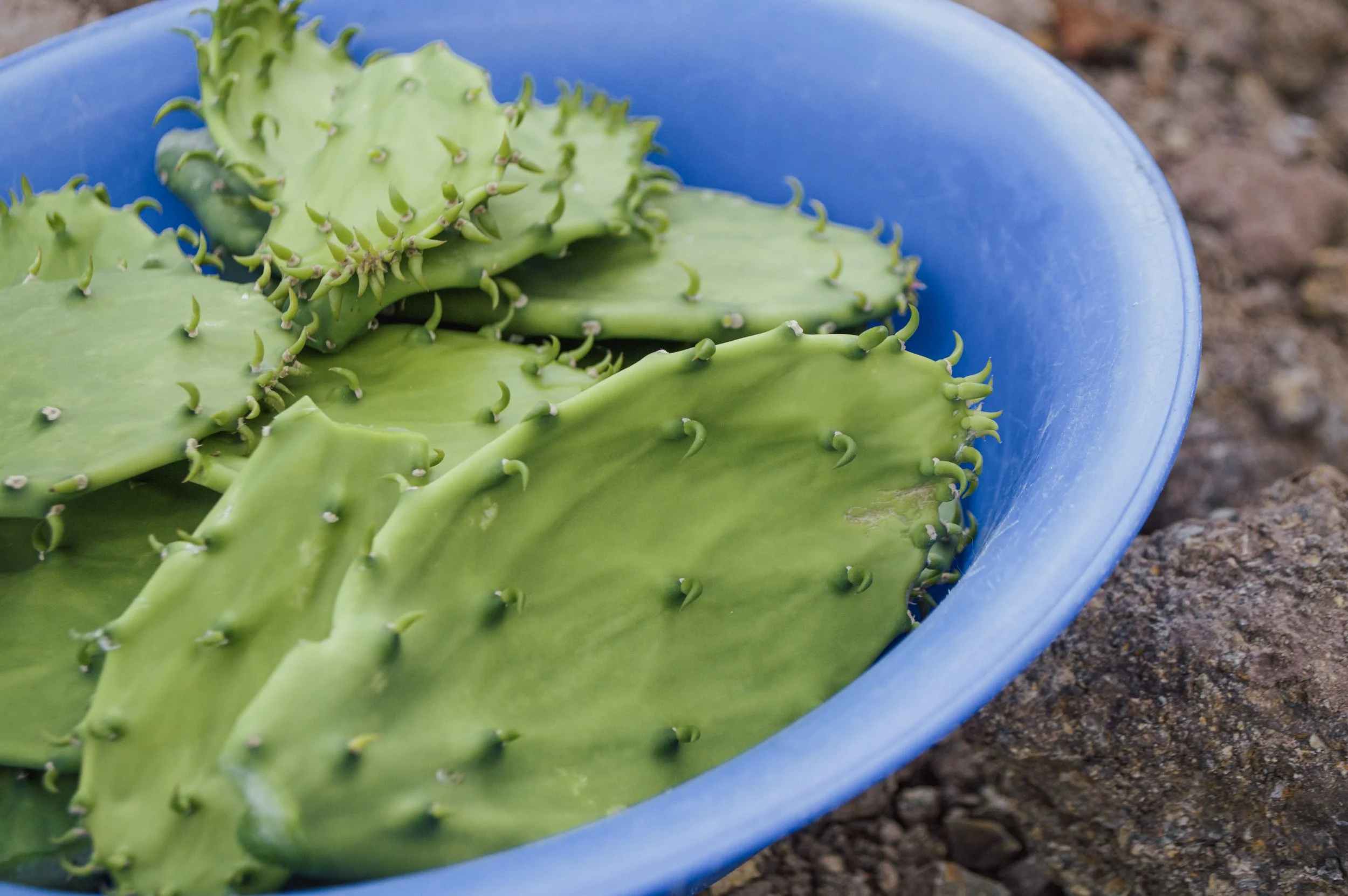
2–3 nopales, cleaned and sliced
2 tomatoes, chopped
½ small onion, thinly sliced
Juice of 1–2 limes
½ cup cilantro, chopped
Salt, to taste
Totopos, for serving
PREPARATION
Step 1
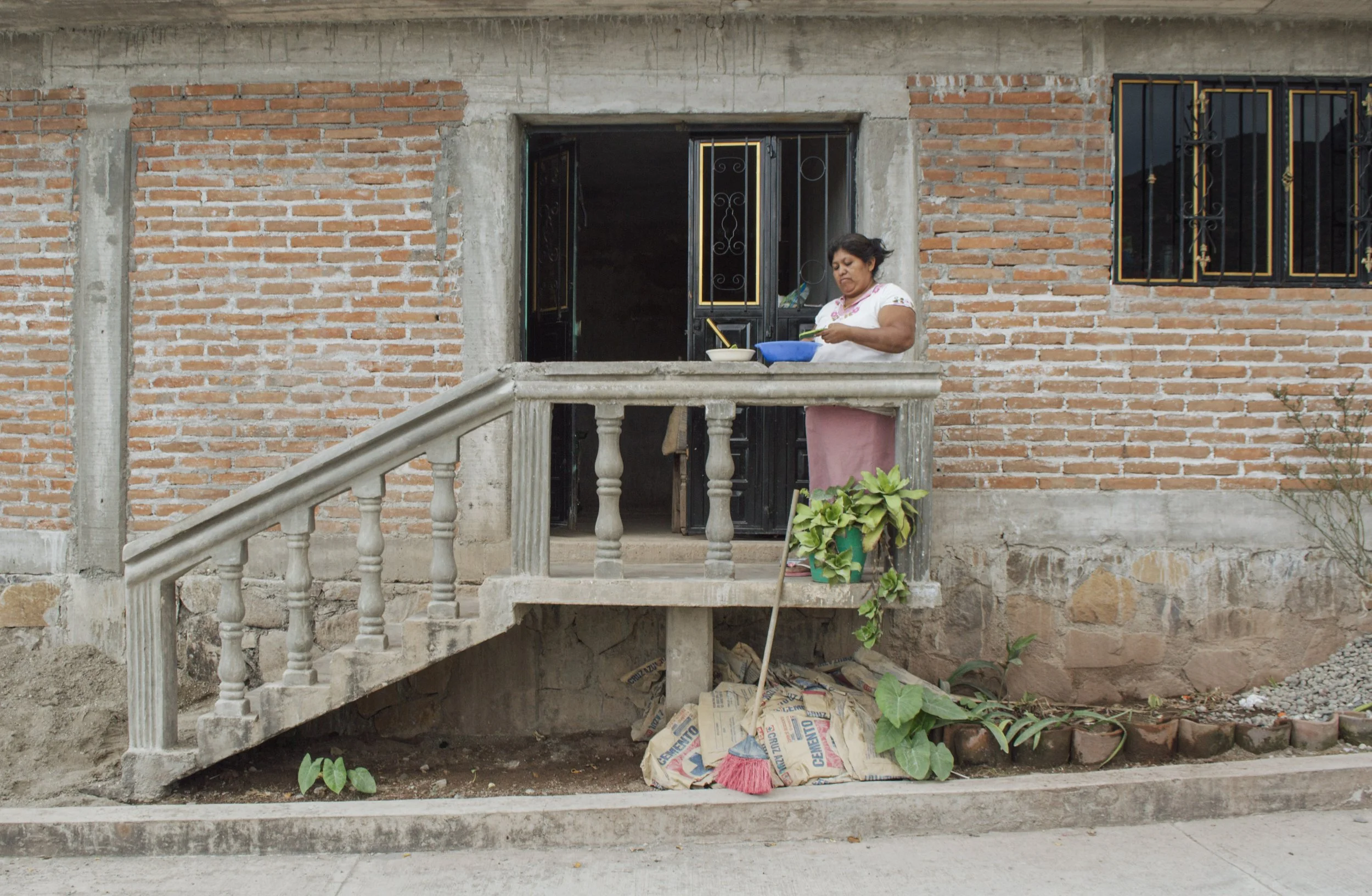
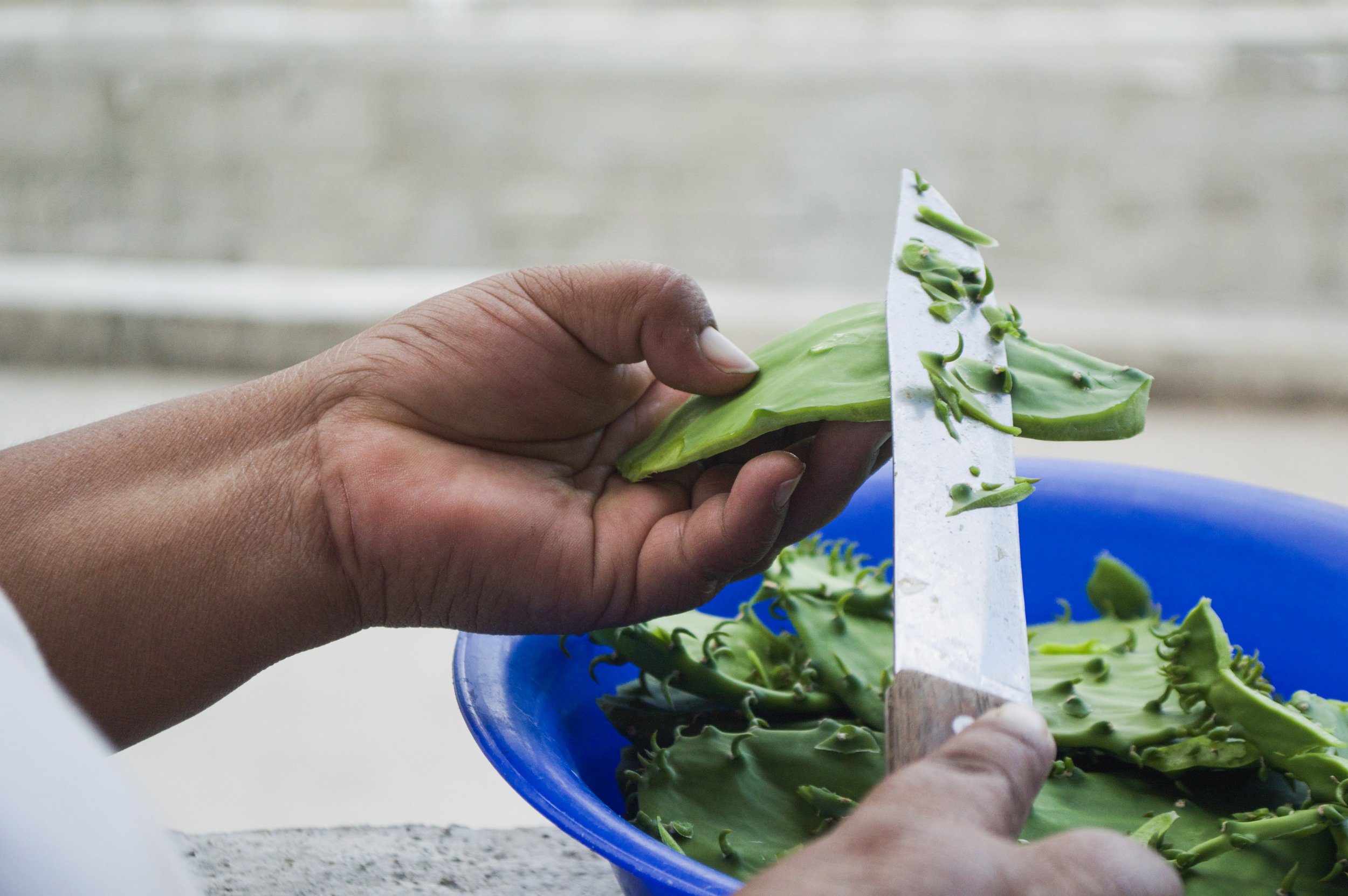
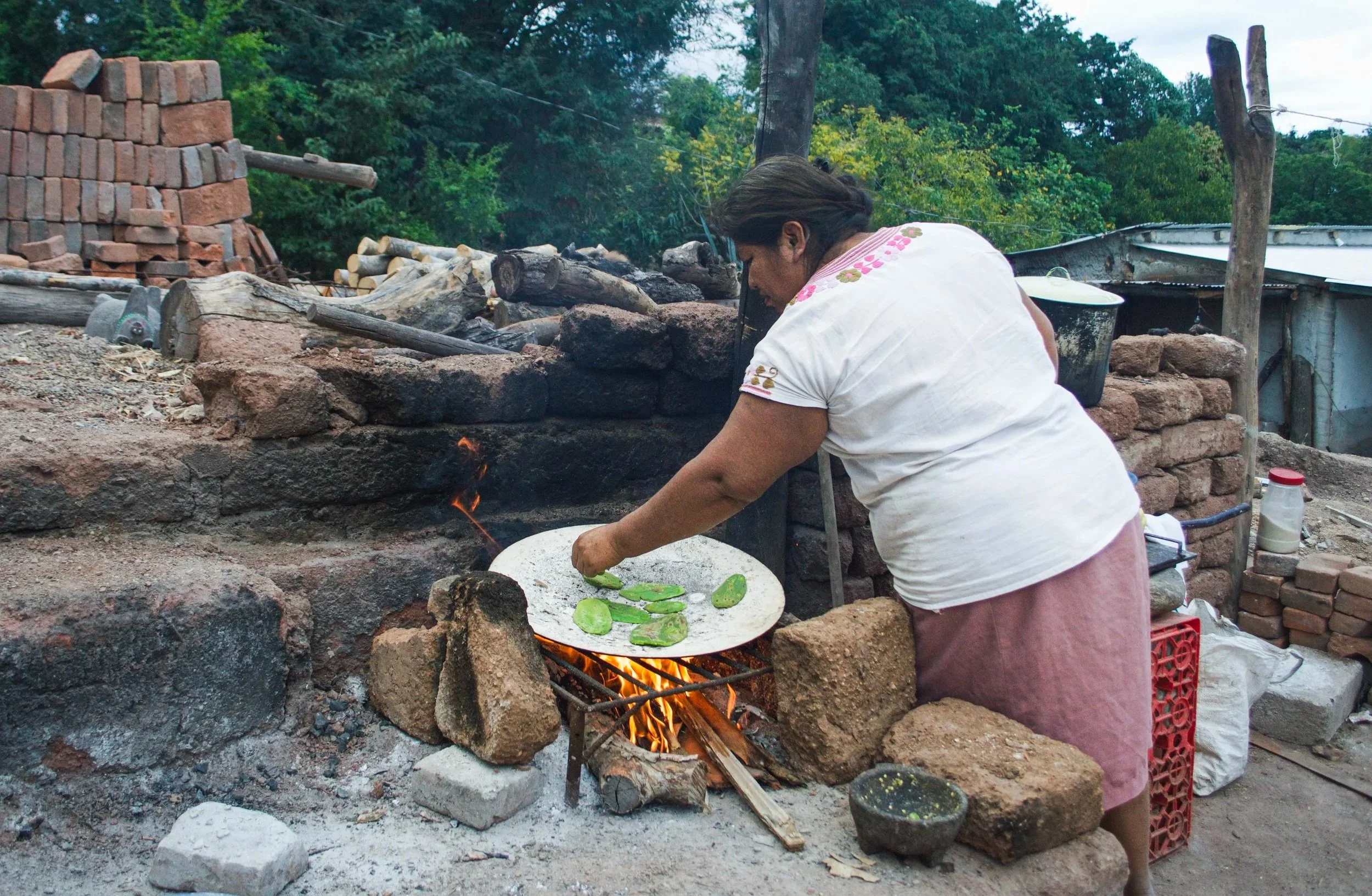
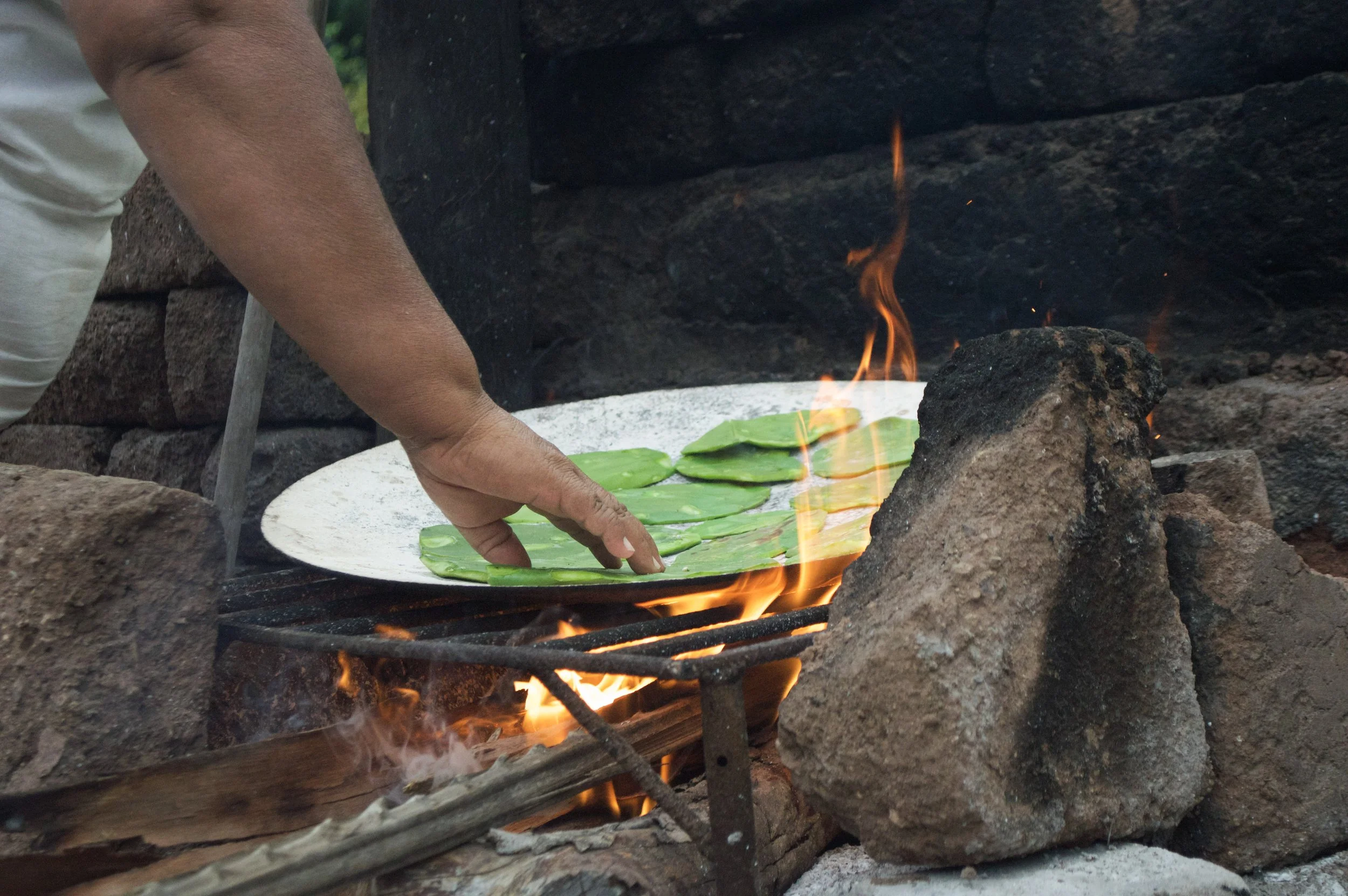
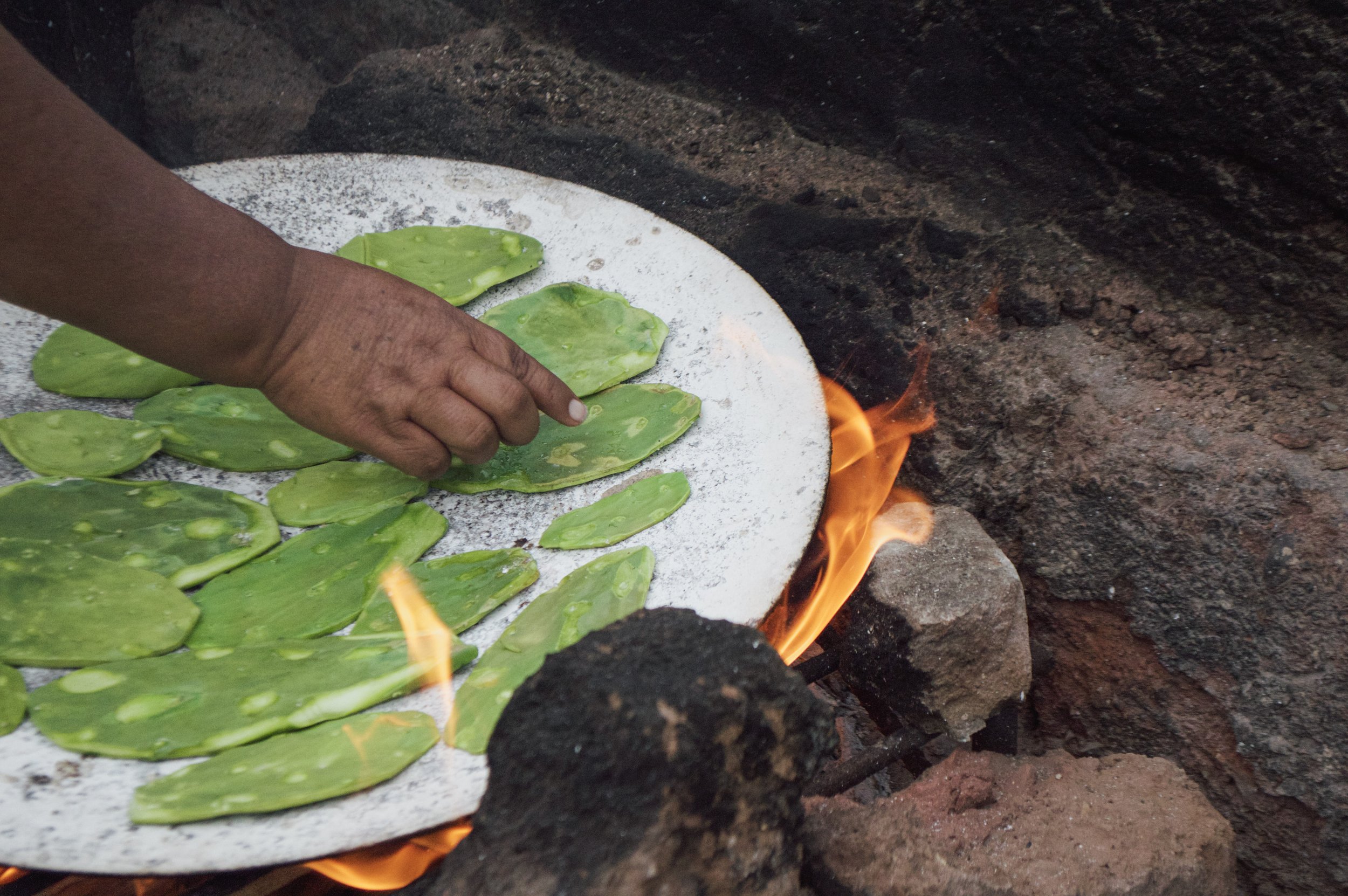
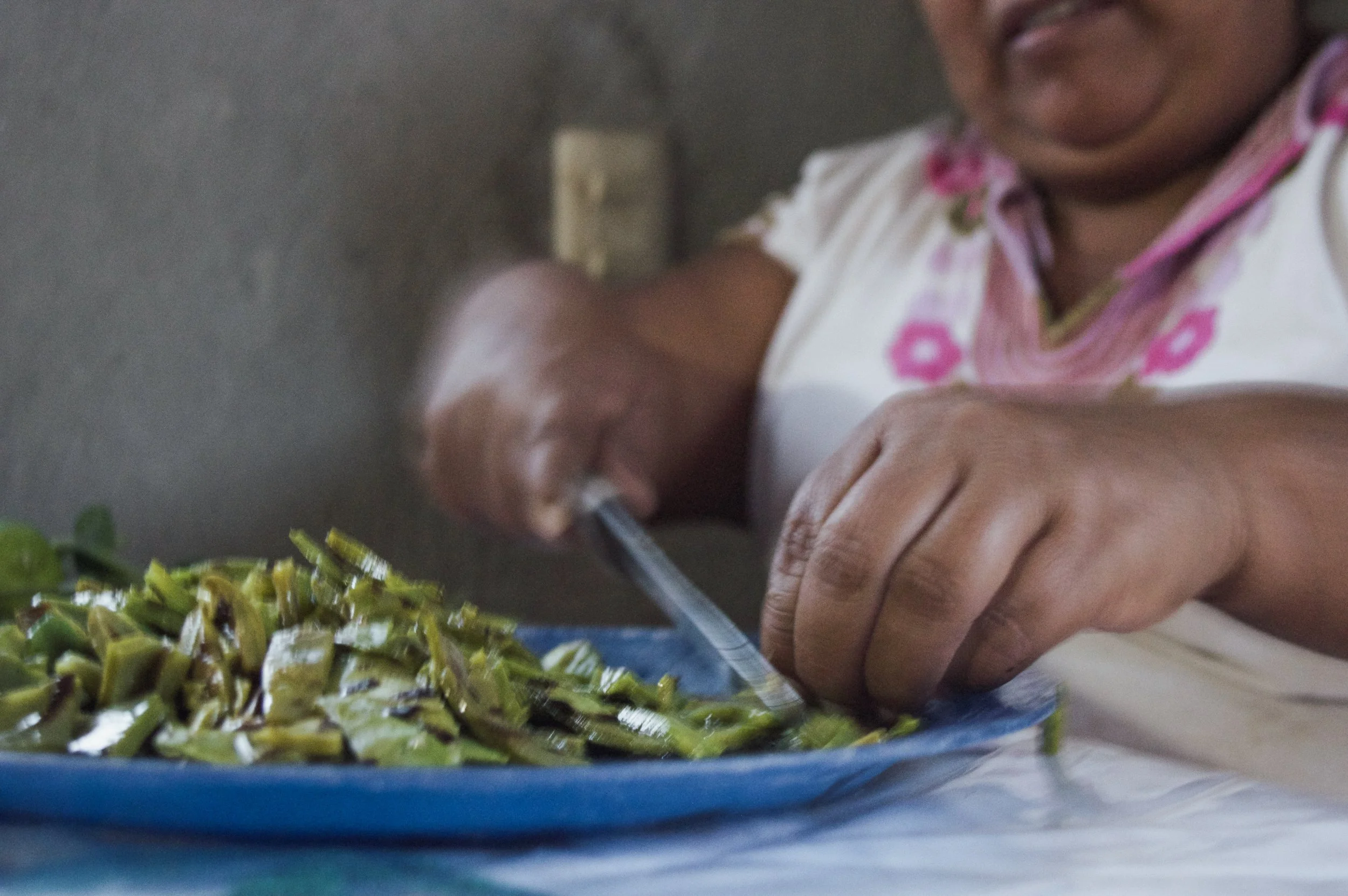
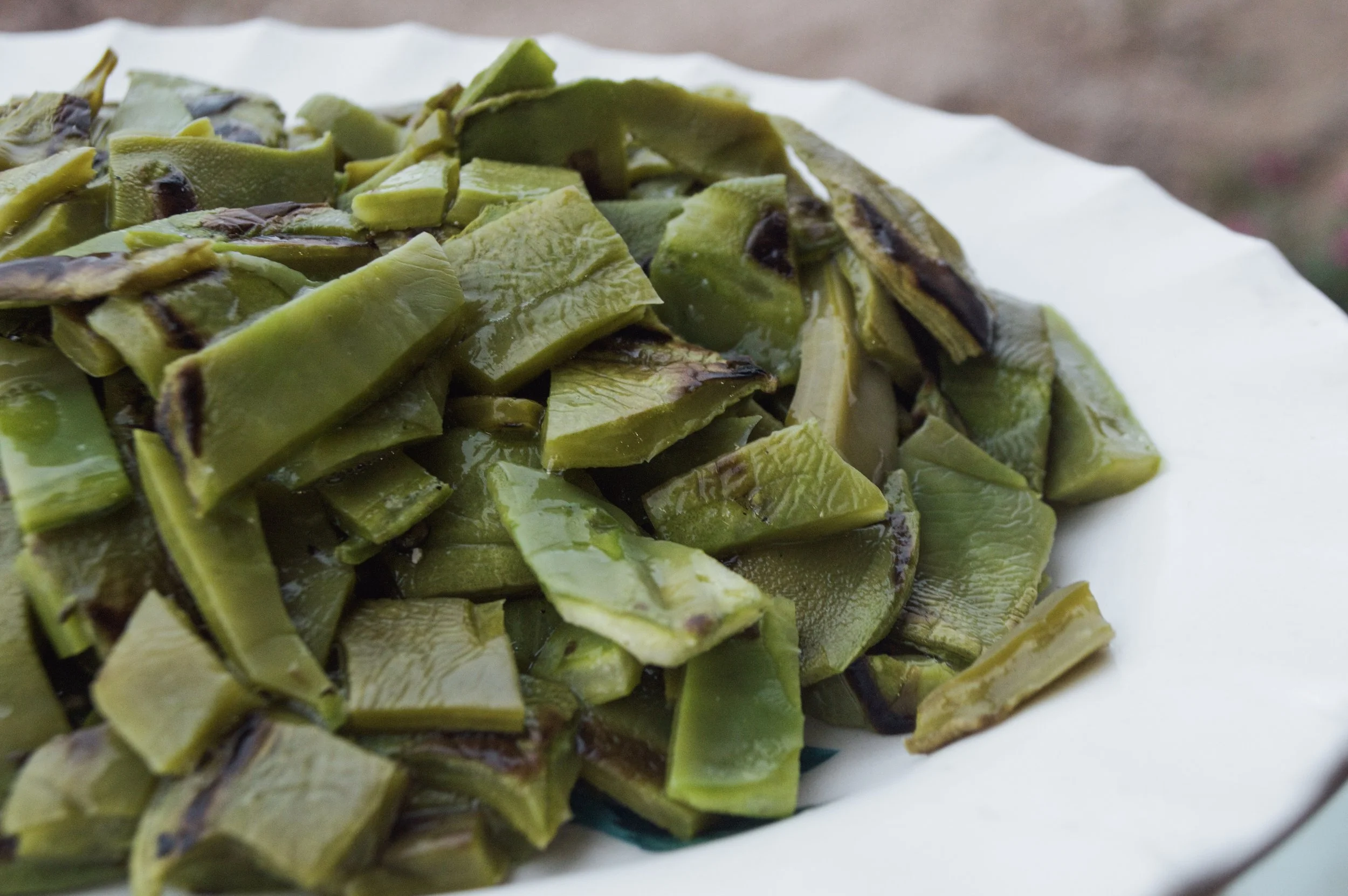
Clean the nopales, removing any spines, charr them on a comal until they’re cooked through and slice them into small cubes.
Step 2
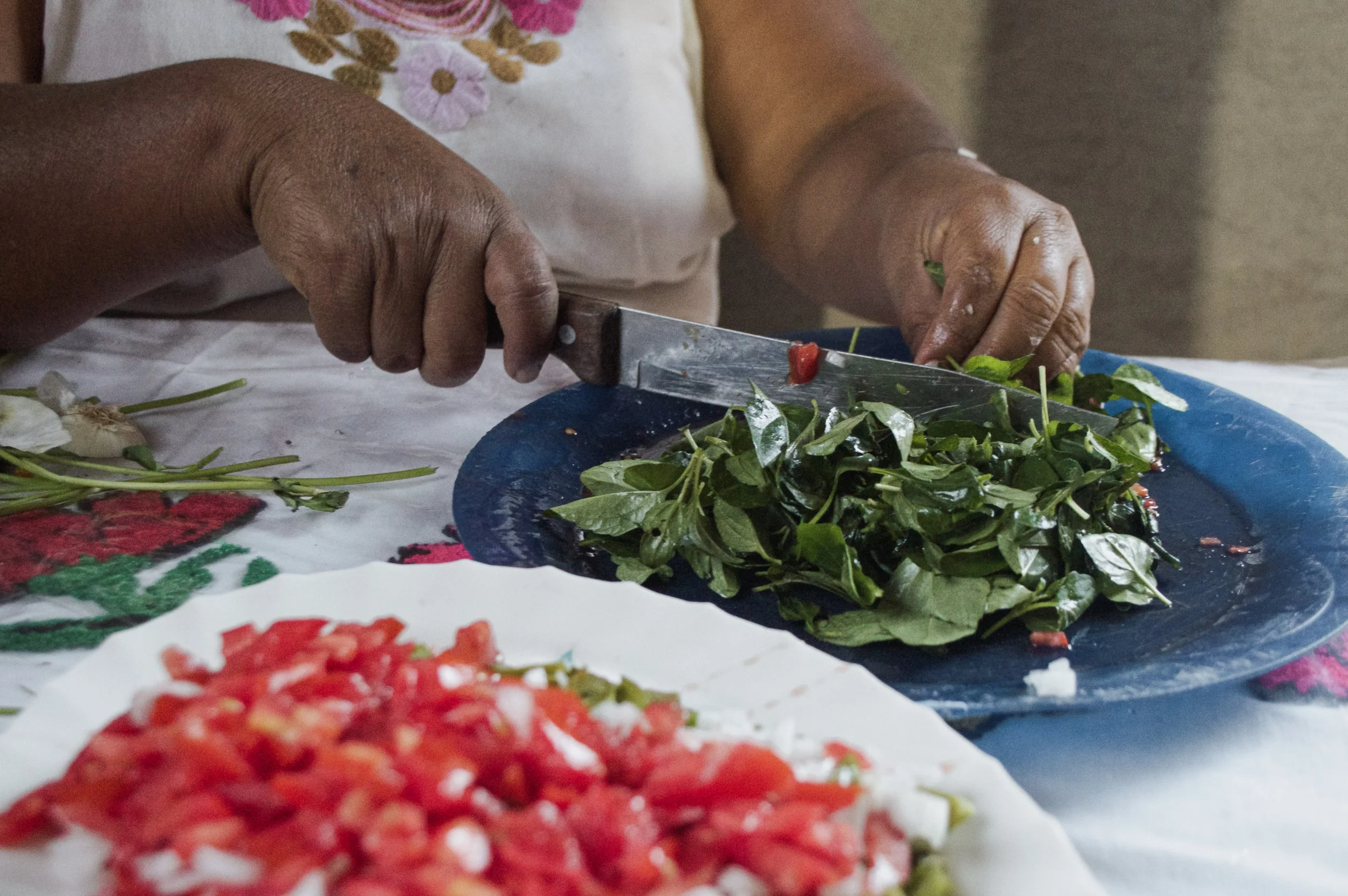
Combine the nopales, watercress, tomatoes, cilantro and onion in a bowl.
Step 3
Add fresh lime juice and salt to taste. Toss gently to combine.
Step 4
Serve immediately with totopos.